5 precision-engineered series — from drop-in replacement to explosion-proof petrochemical environments. Compliant with QCVN 26:2025 noise limits and the 2024 Electricity Law energy requirements.
In Vietnam's industrial cooling, long-term reliability dictates the true total cost of ownership.
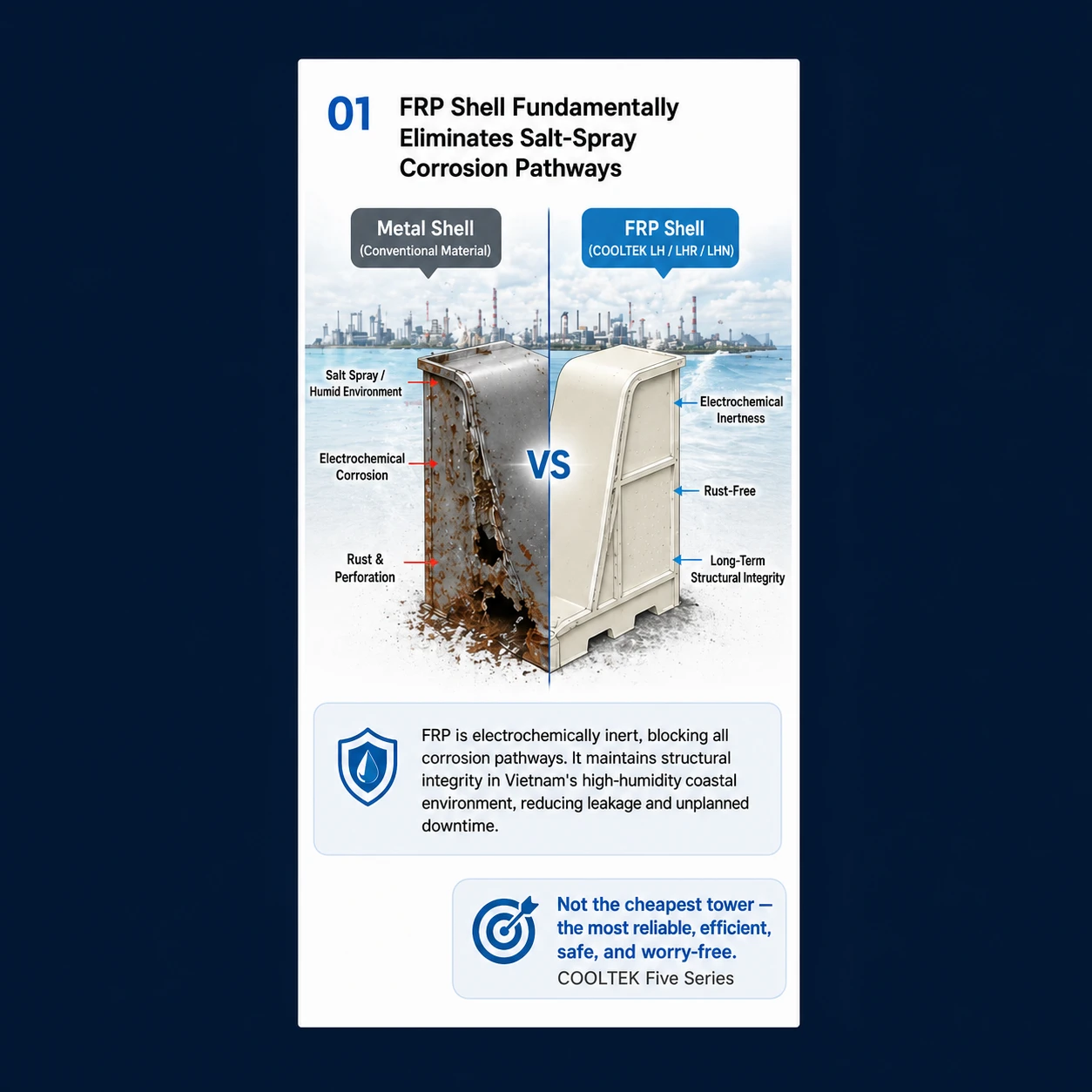
Mechanism: Replacing metal shells with electrochemically inert FRP materials fundamentally cuts off the corrosion path at the material level.
Result: Ensures the tower body maintains structural integrity even in highly humid, high-salinity coastal environments, drastically reducing the risks of rusting, leakage, and unplanned downtime.
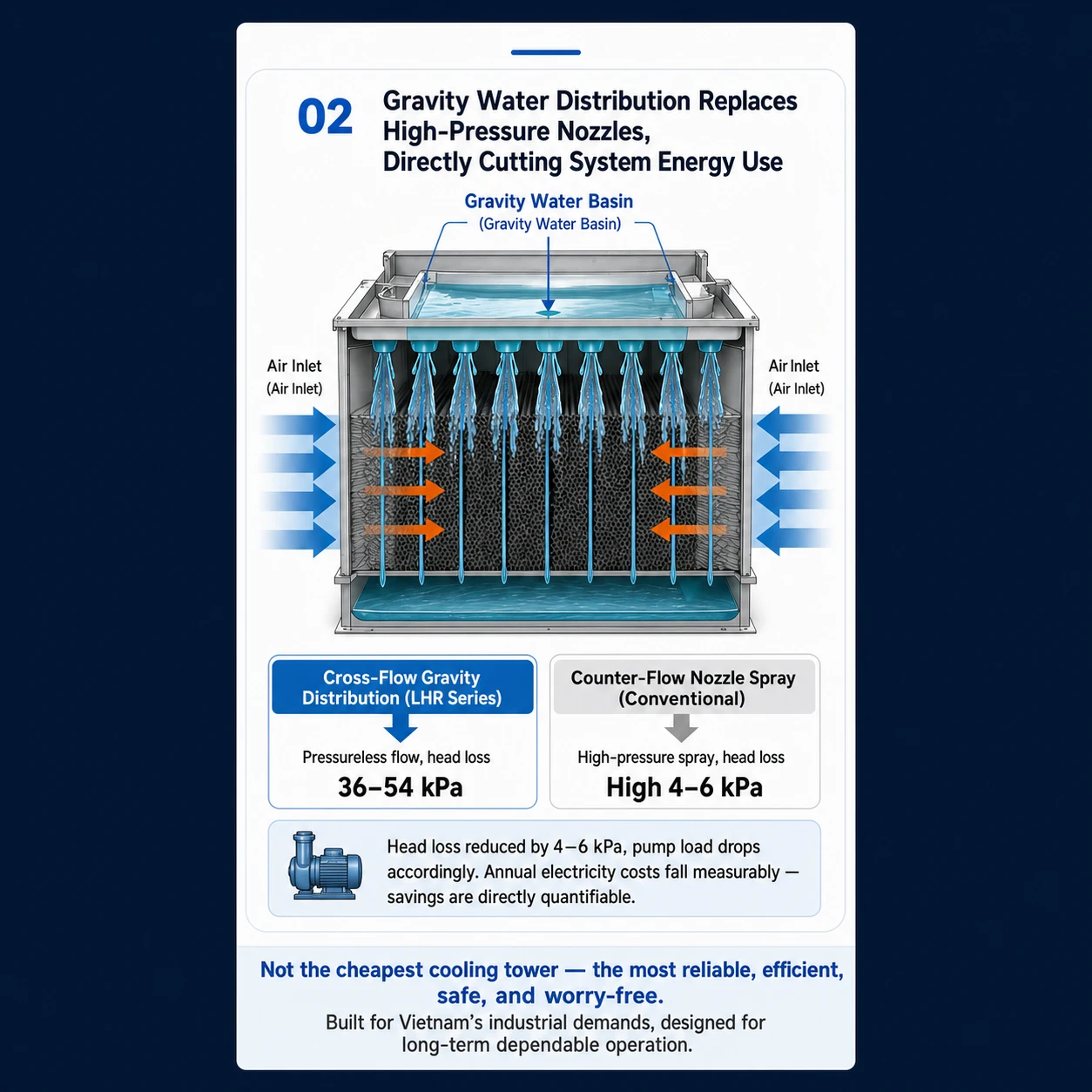
Mechanism: Utilizing gravity water troughs instead of high-pressure nozzles in crossflow series reduces system head loss by 4-6 kPa through pressure-free flow.
Result: Directly relieves the operational burden on water pumps, translating into quantifiable long-term savings in annual electricity and maintenance costs.
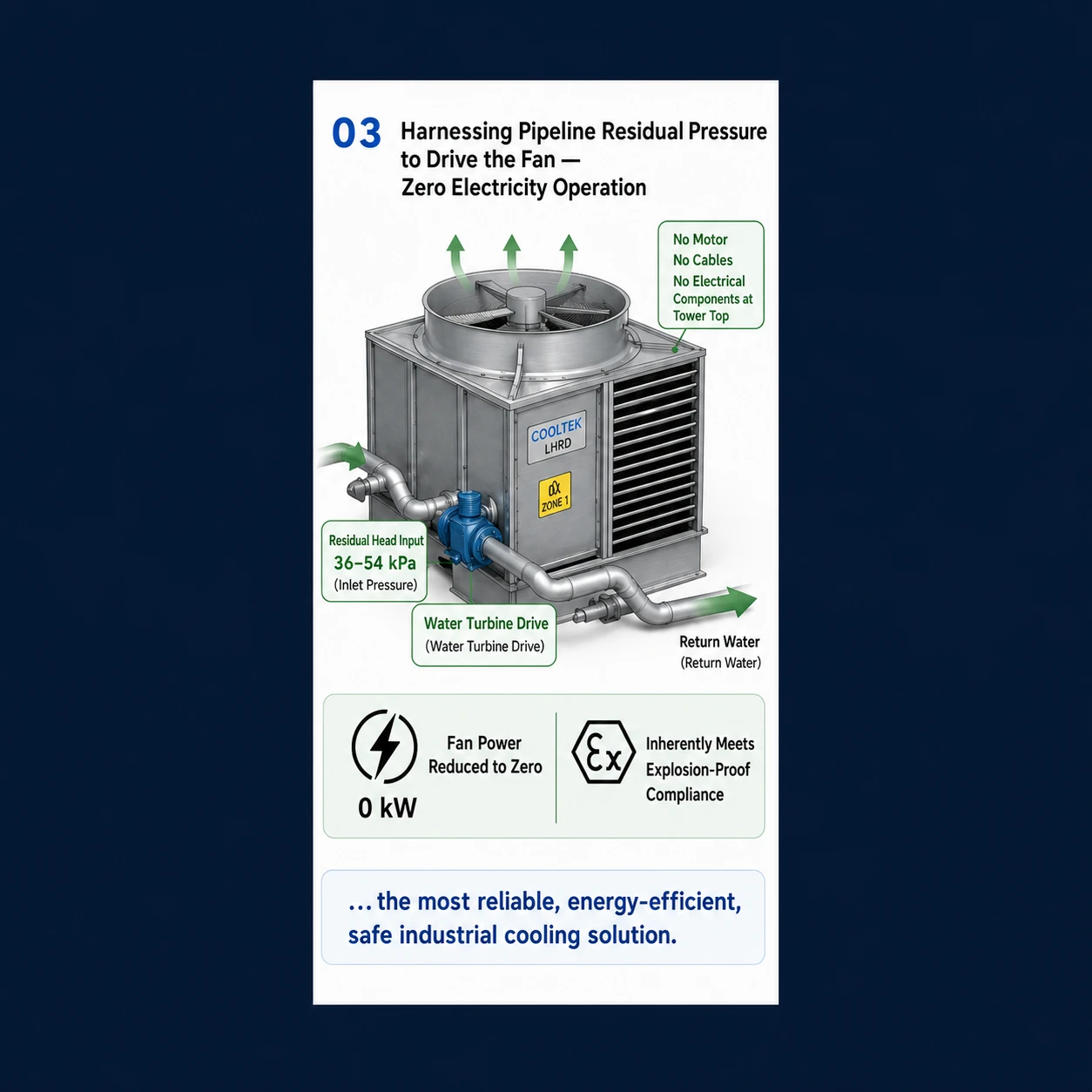
Mechanism: Harnessing residual head pressure from the piping network to drive the fan instead of an electric motor, reducing fan operational power consumption to absolute zero.
Result: Zero electrical components on the tower top eliminates electrical spark sources, making it naturally suited for compliance in explosion-proof zones like petrochemicals.
Covering Crossflow, Counterflow, Closed-Circuit & Turbine Drives
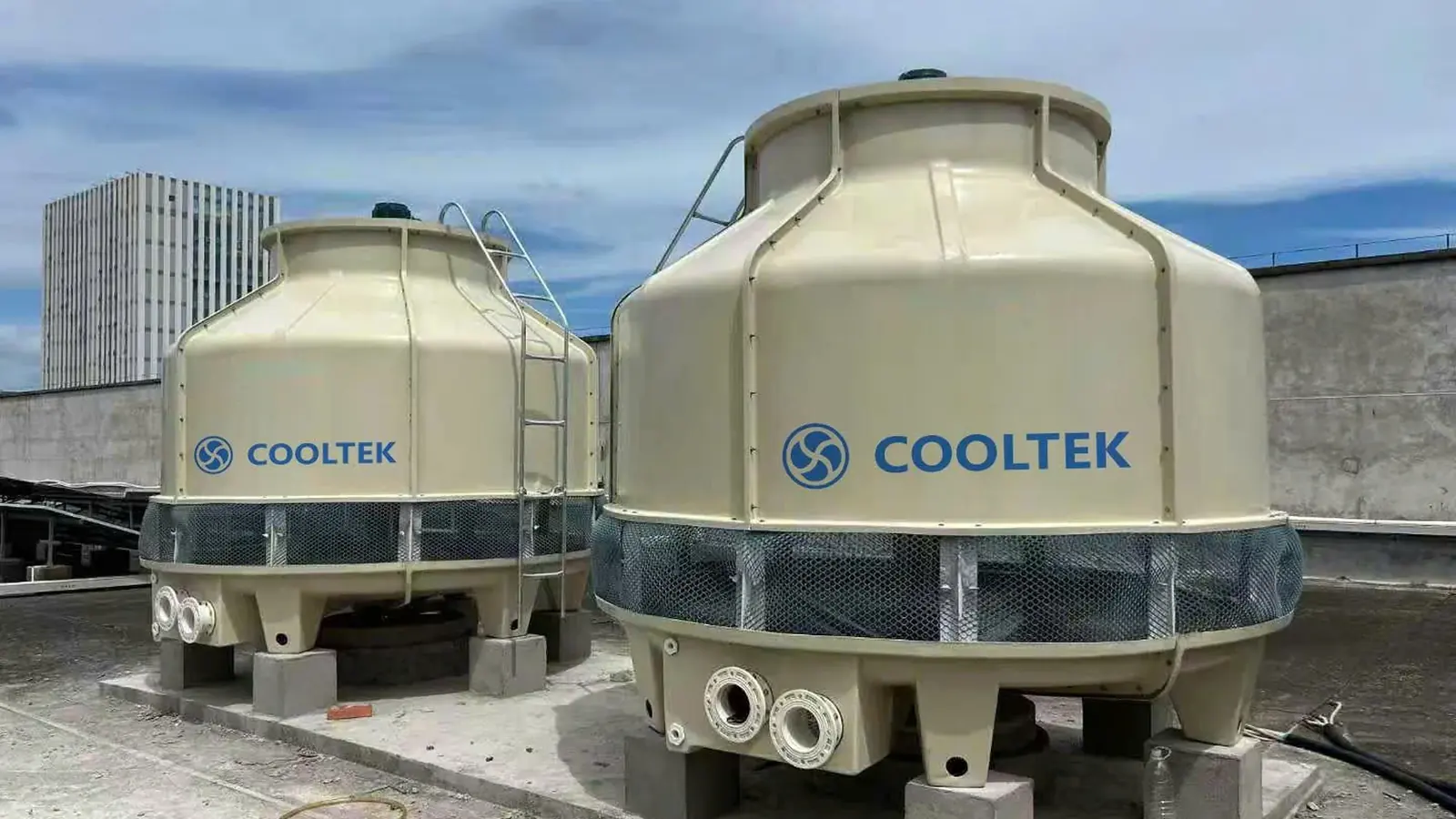
For factories where the old round cooling tower has reached the end of its lifespan and must be replaced within the shortest possible downtime window. The core value is compatibility and speed.
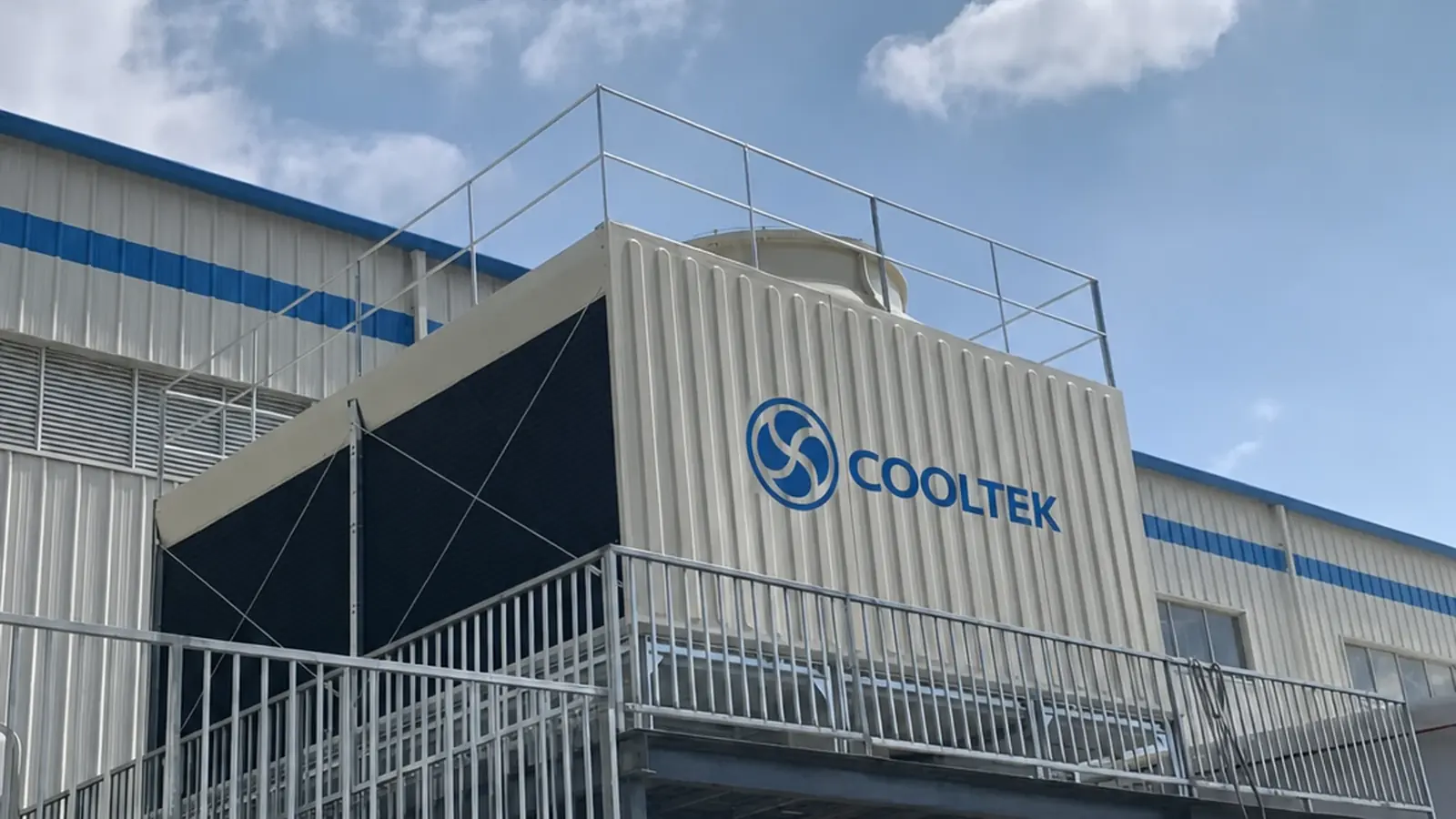
Suitable for noise-sensitive areas, and industrial or commercial projects in Vietnam that need to reduce pump energy consumption while improving the convenience of daily maintenance.
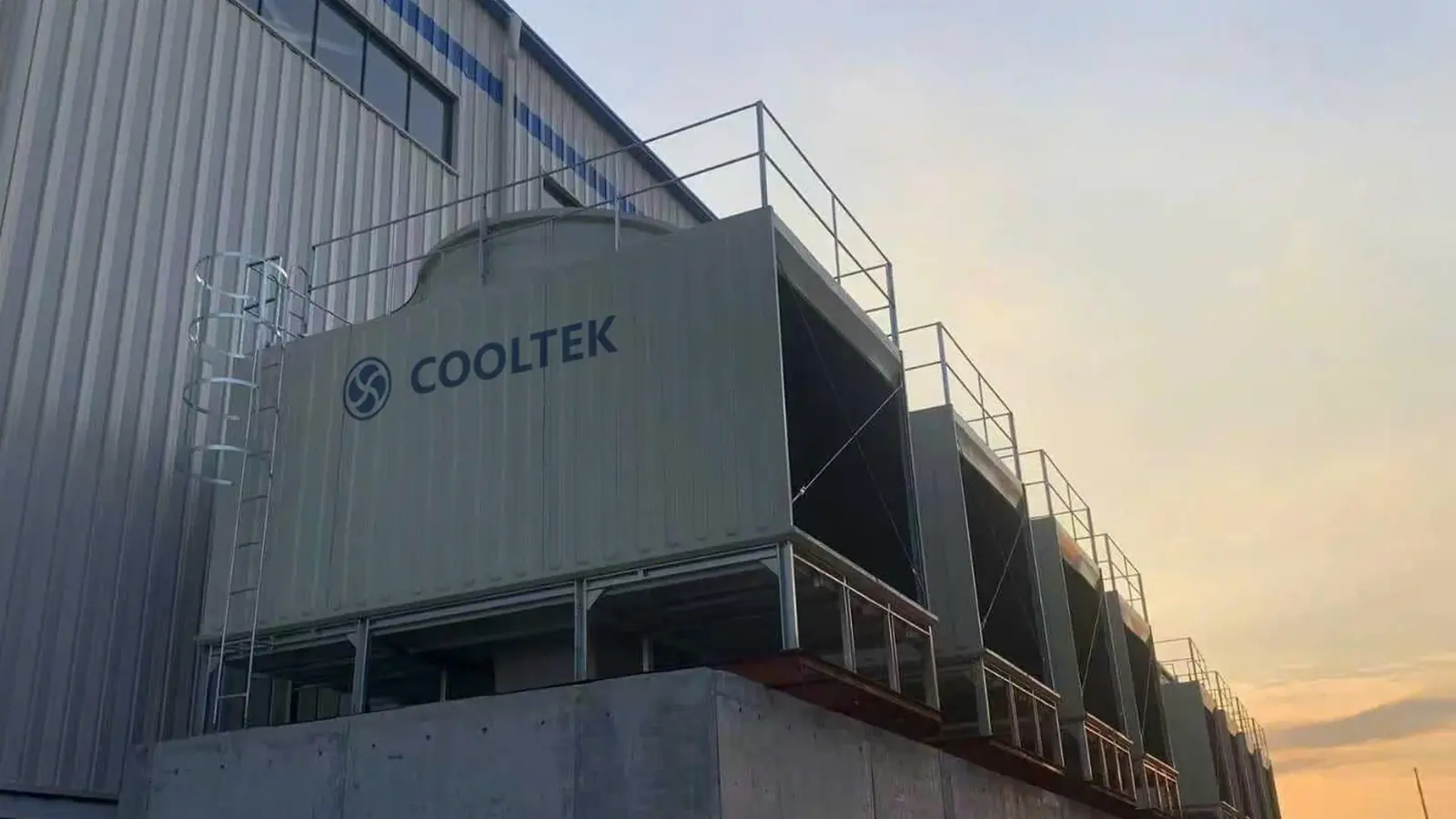
Suitable for manufacturing scenarios where industrial park space is locked tight, and downstream equipment has stricter requirements for the stability of outlet water temperature.
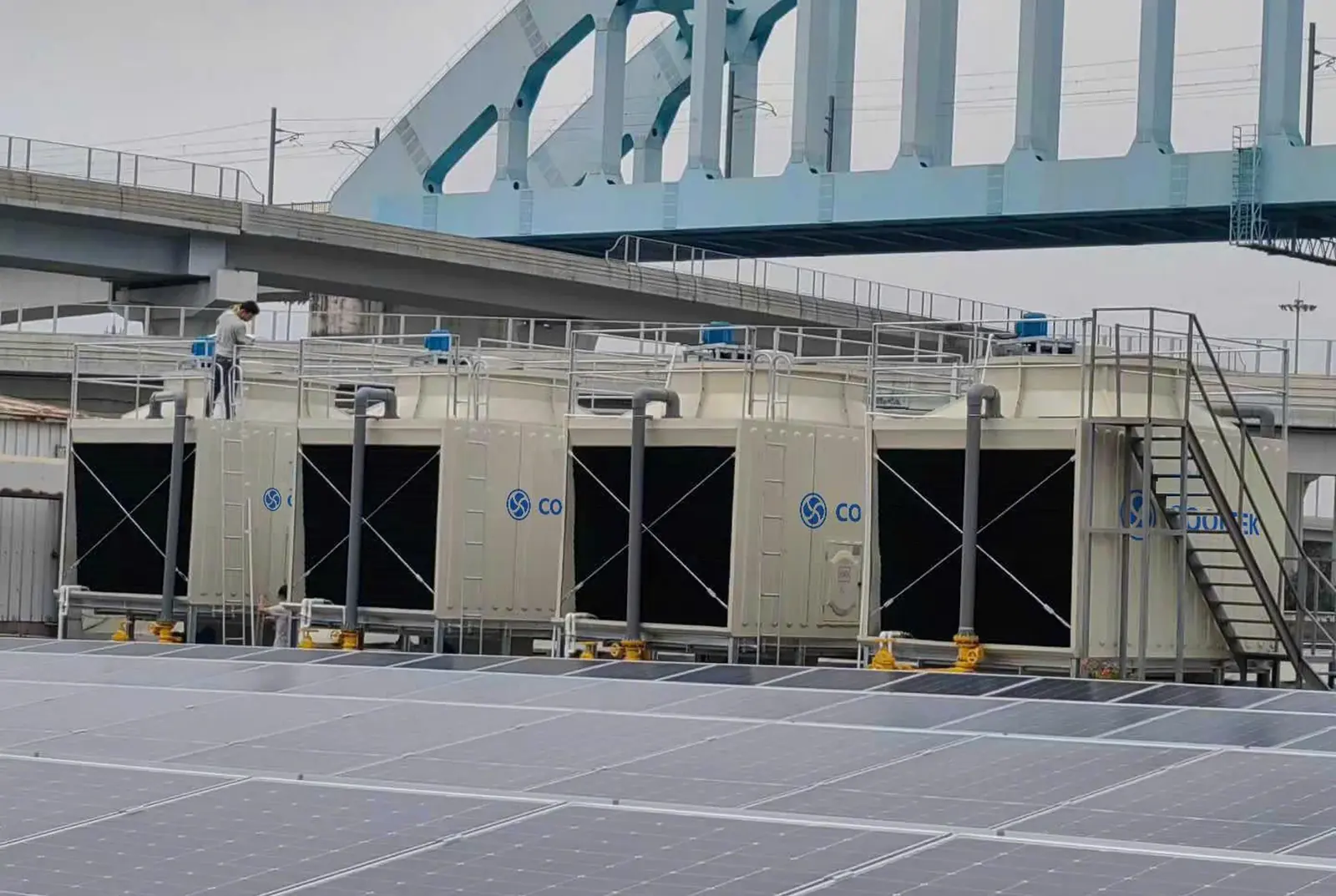
Suitable for petrochemical, chemical, and steel projects focusing on explosion-proof compliance and energy-saving retrofits, but requires confirmation of system residual pressure.
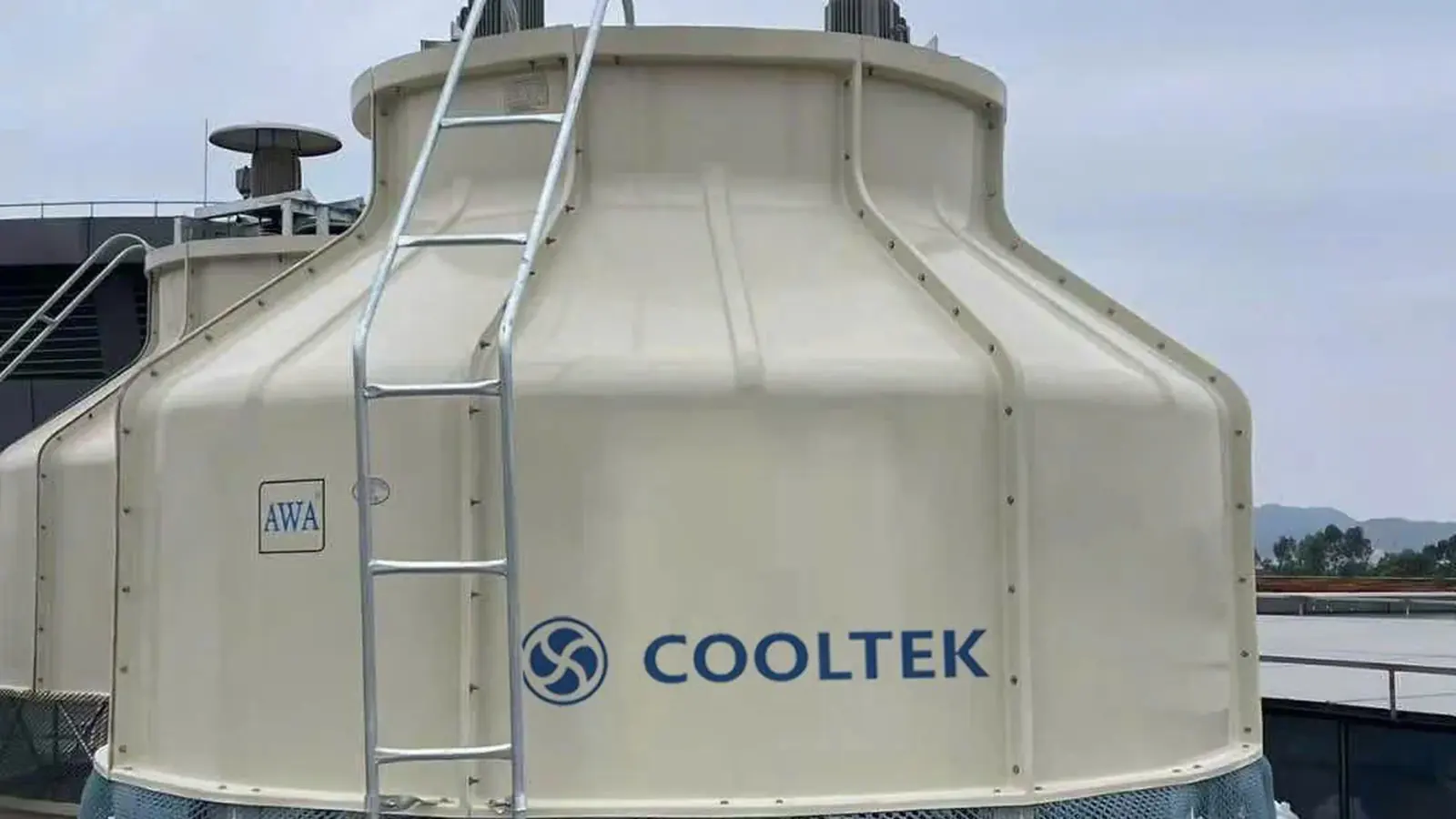
Suitable for induction furnaces, injection molding machines, semiconductors, and other water-quality-sensitive equipment. Focuses on long-term protection rather than just single heat exchange.
Real Cooling Challenges, Proven Solutions
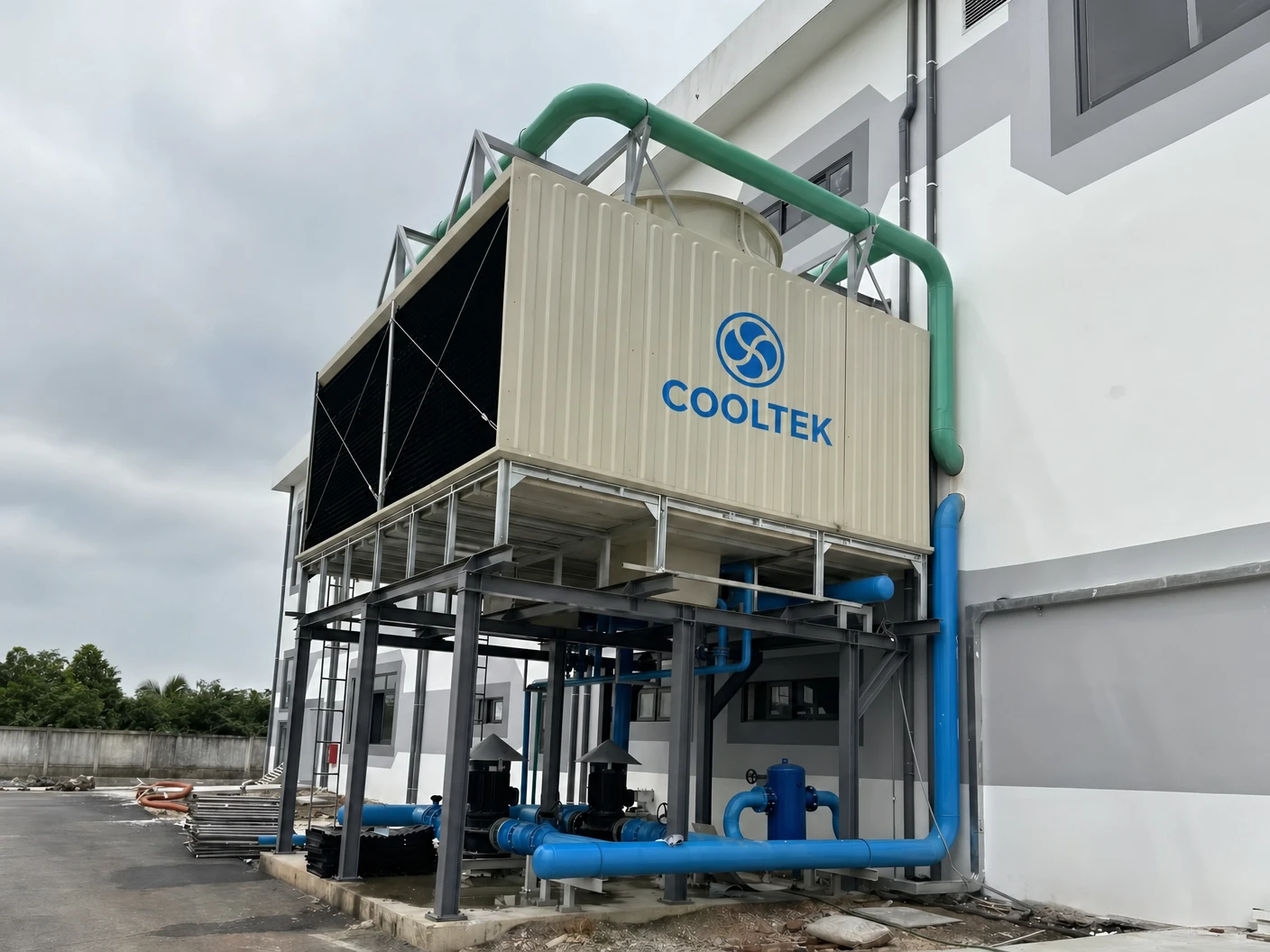
4× LH-800RT in parallel. FRP casing resists salt spray in high-humidity factory. Maintenance cycle extended to 18 months, O&M cost down 60%. Zero unplanned downtime in first 12 months.
View Case Details →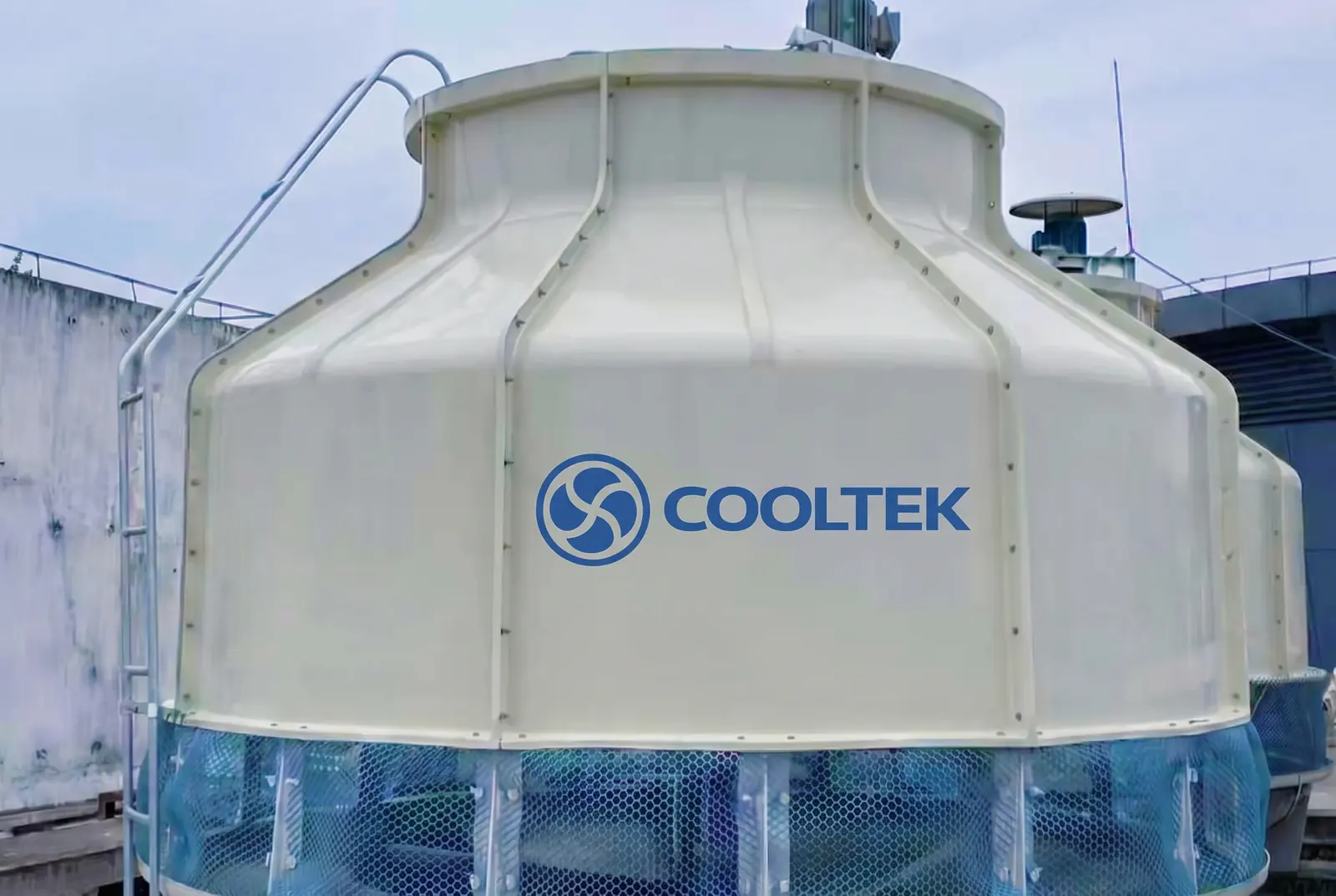
360° omnidirectional intake eliminates monsoon wind-direction sensitivity. Water temperature stability +25% in monsoon climate. Precision process requirements fully met.
View Case Details →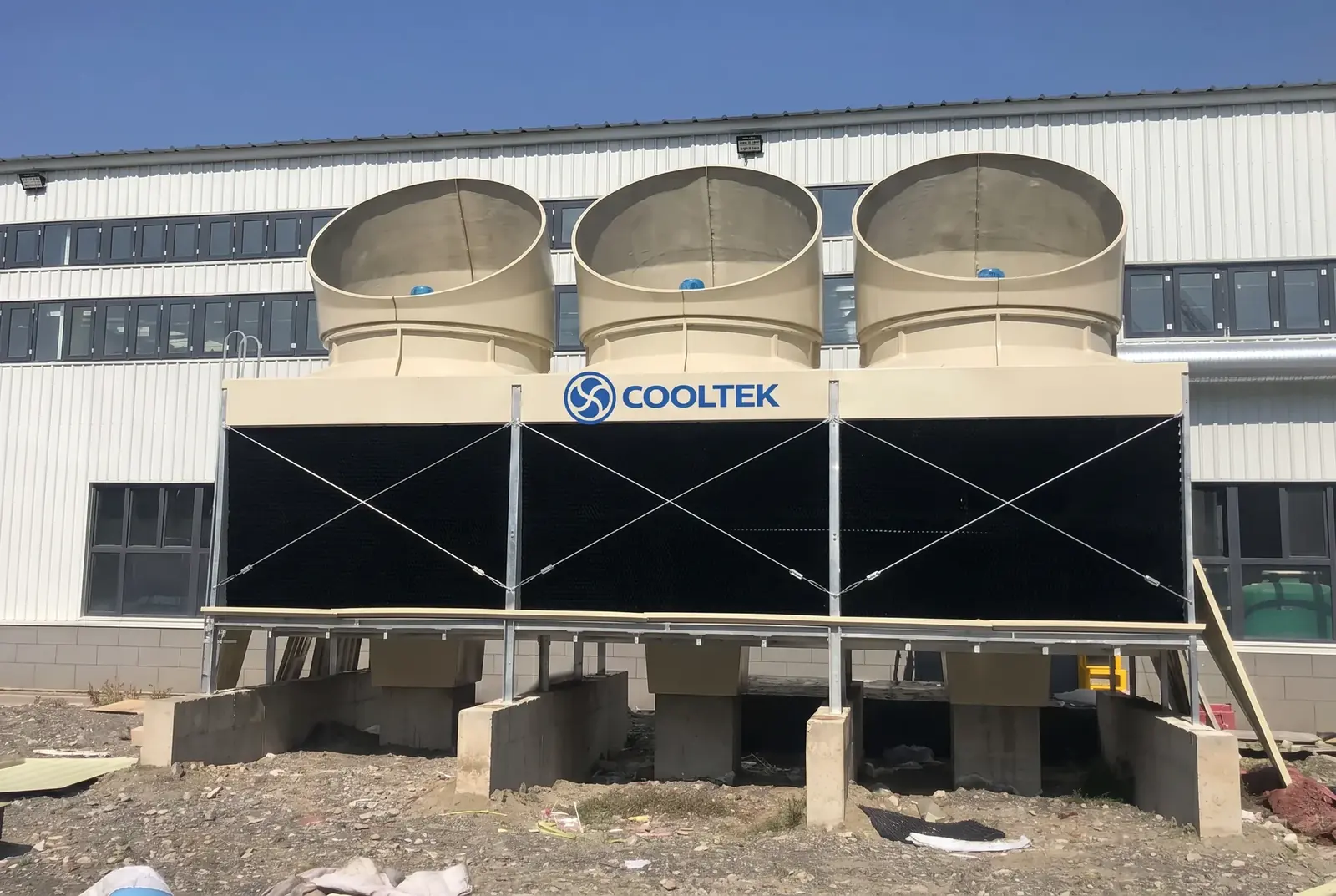
6× LH-700RT modular parallel. Year-round outlet temperature stability ±0.5°C. Rooftop installation passed QCVN 26:2025 noise audit, ensuring continuous precision optoelectronics production.
View Case Details →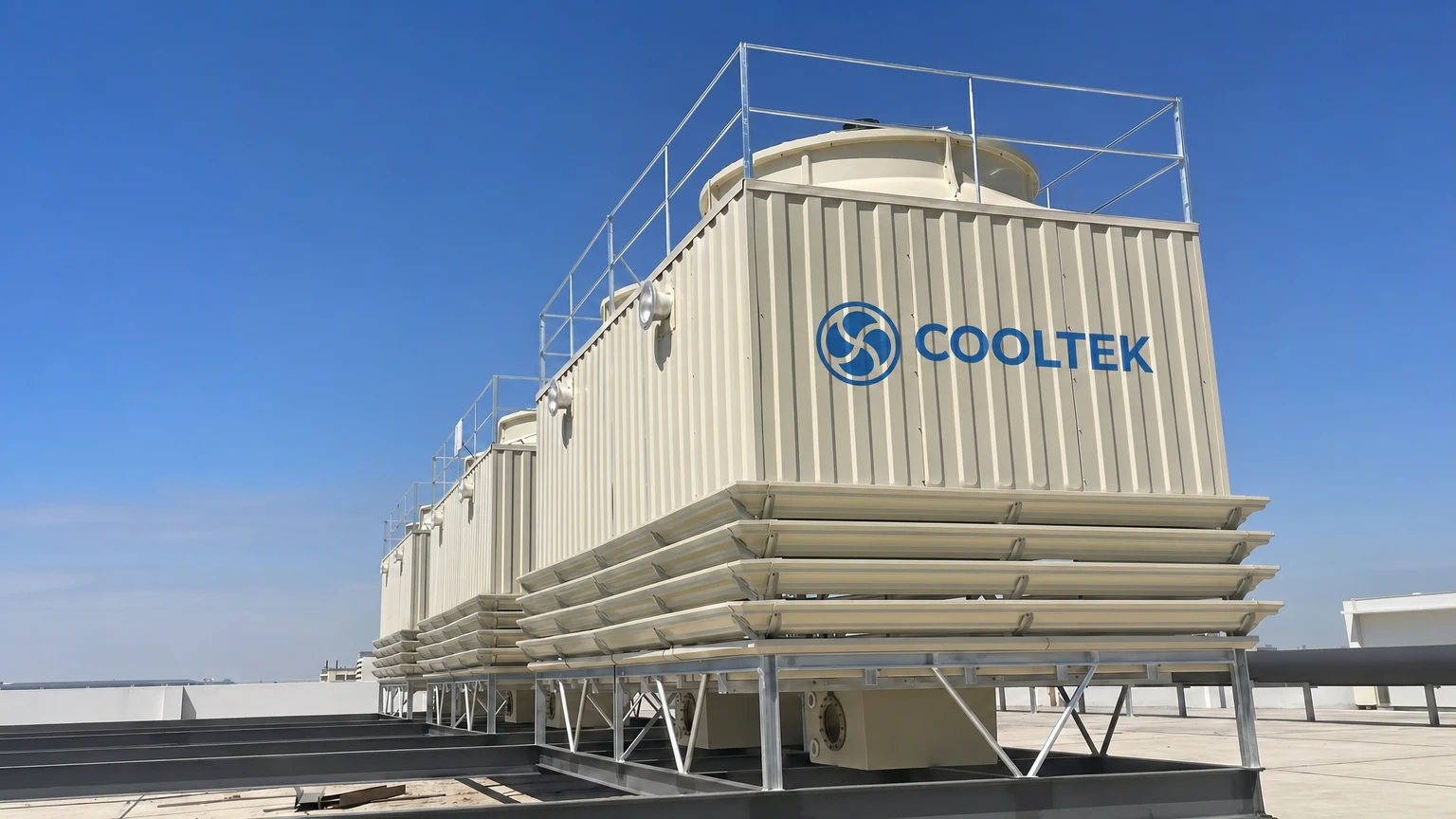
3× LHN-300RT with 45° air deflectors for rooftop installation. Passed QCVN 26:2025 noise audit on first submission. Meets strict height and noise limits for urban high-rise commercial buildings.
View Case Details →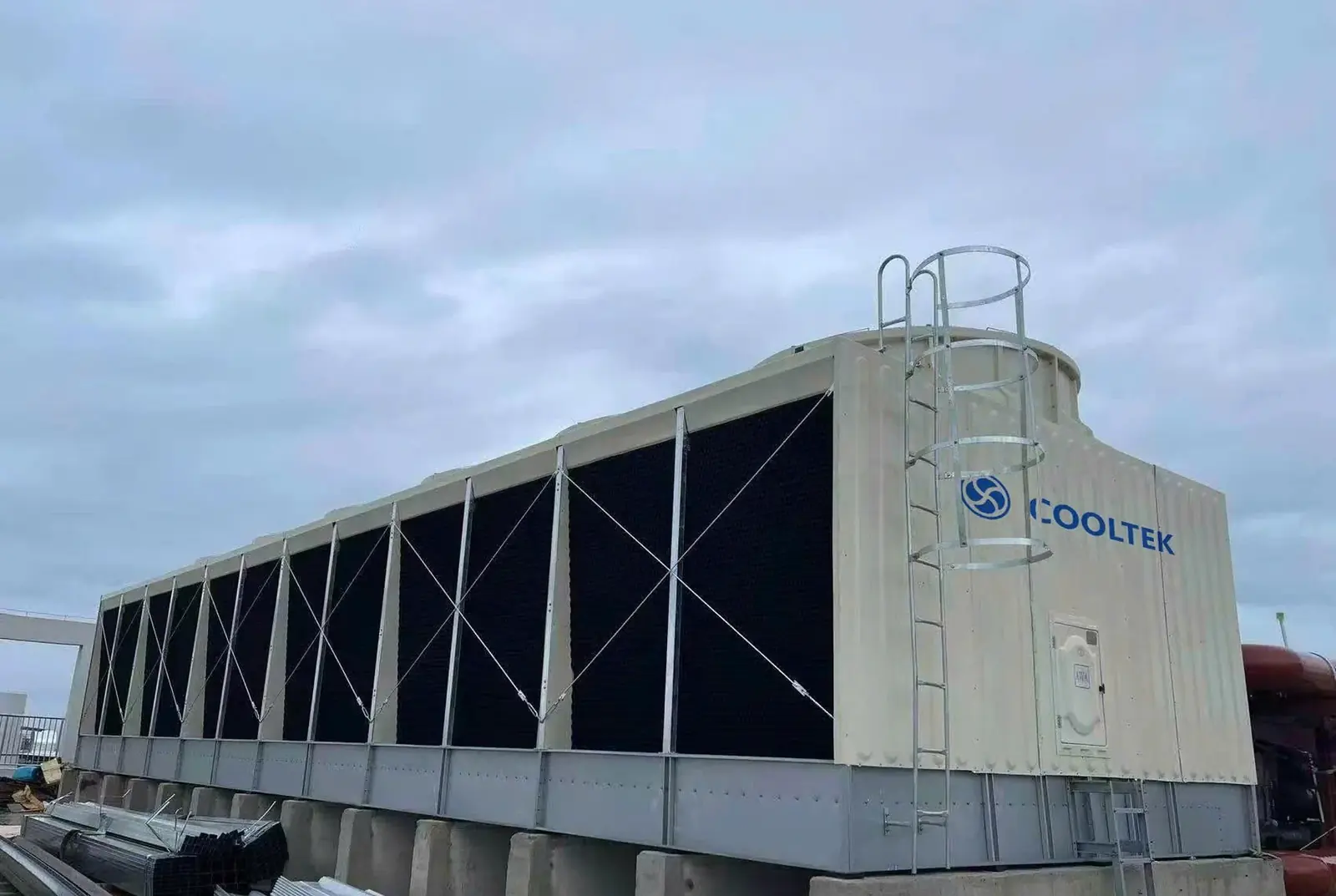
Putting salt fog, anti-corrosion, downtime risks, and lifespan costs on the same decision table makes it easier to see the true total cost under coastal conditions.
Learn More →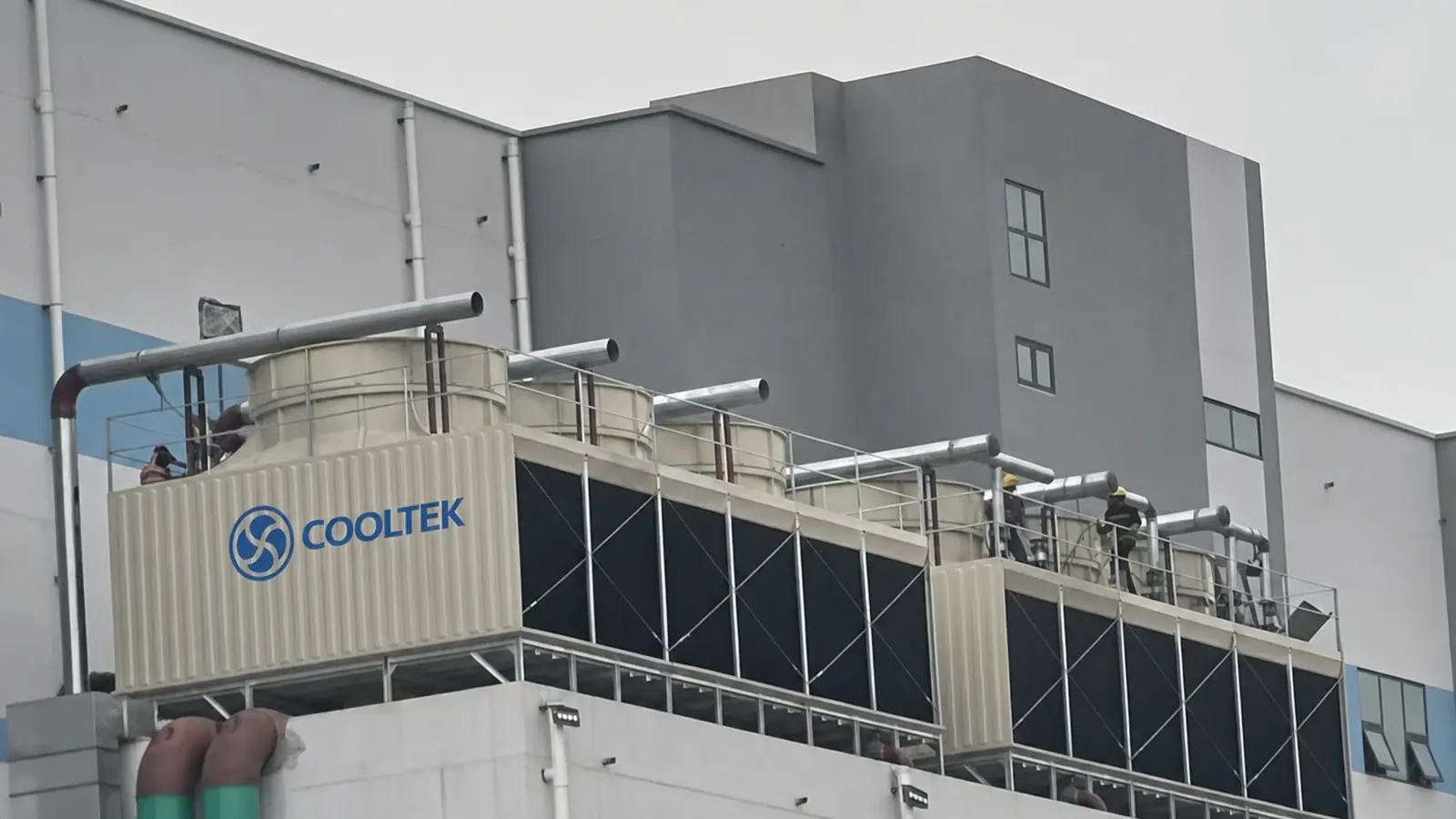
If the project prioritizes lower noise, head loss, and maintenance convenience, crossflow is more suitable; if space is tight and temperature control is strict, counterflow has the advantage.
Learn More →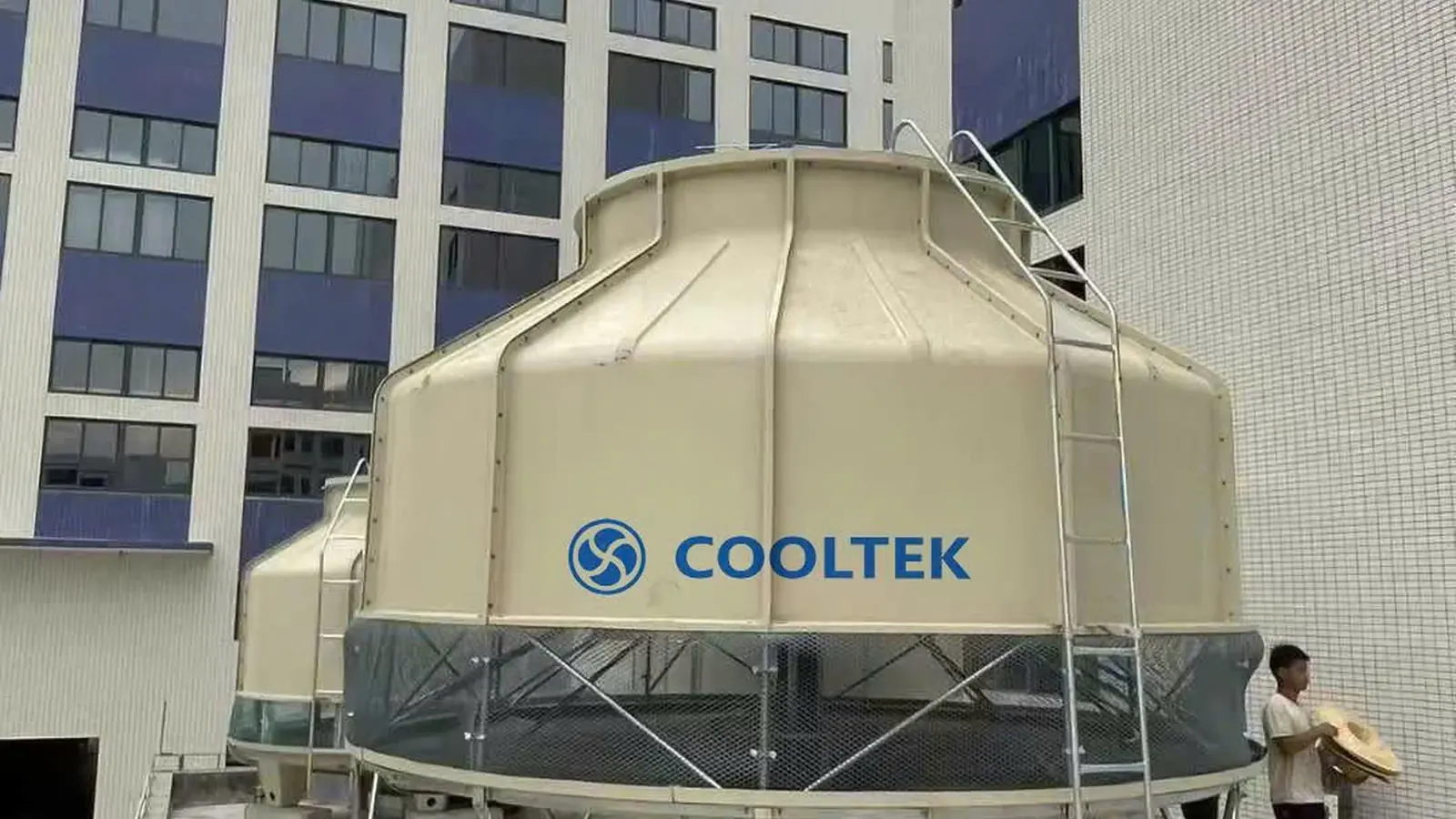
When process water cannot be contaminated by dust, salt, and impurities in the air, a closed-circuit system is far safer than an open cooling system.
Learn More →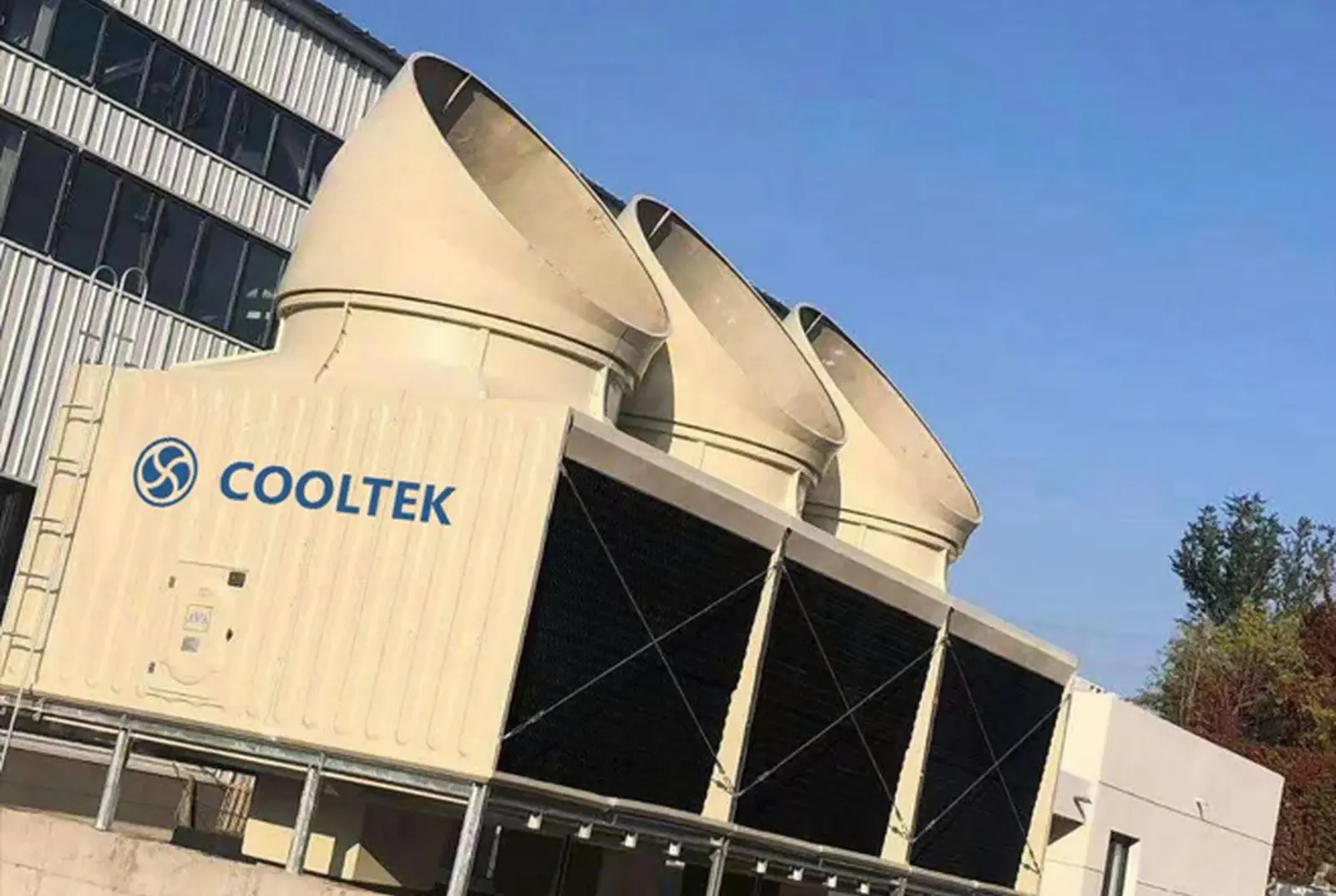
Under the premise of available system residual pressure, the water turbine solution can reduce electrical spark sources and lower fan power consumption.
Learn More →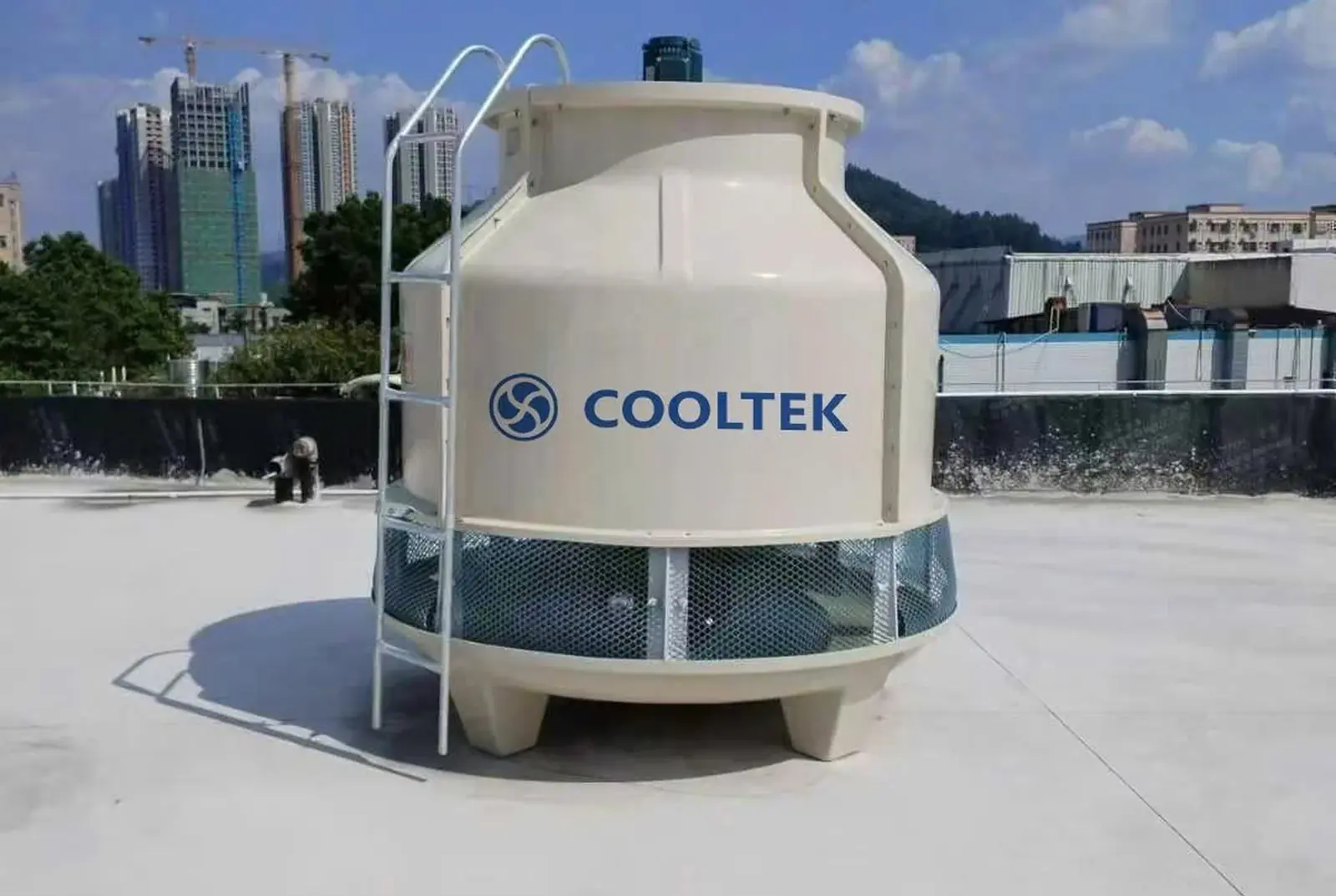
First confirm the downtime window, foundation compatibility, and piping interface, then decide whether to use the LH series drop-in replacement solution.
Learn More →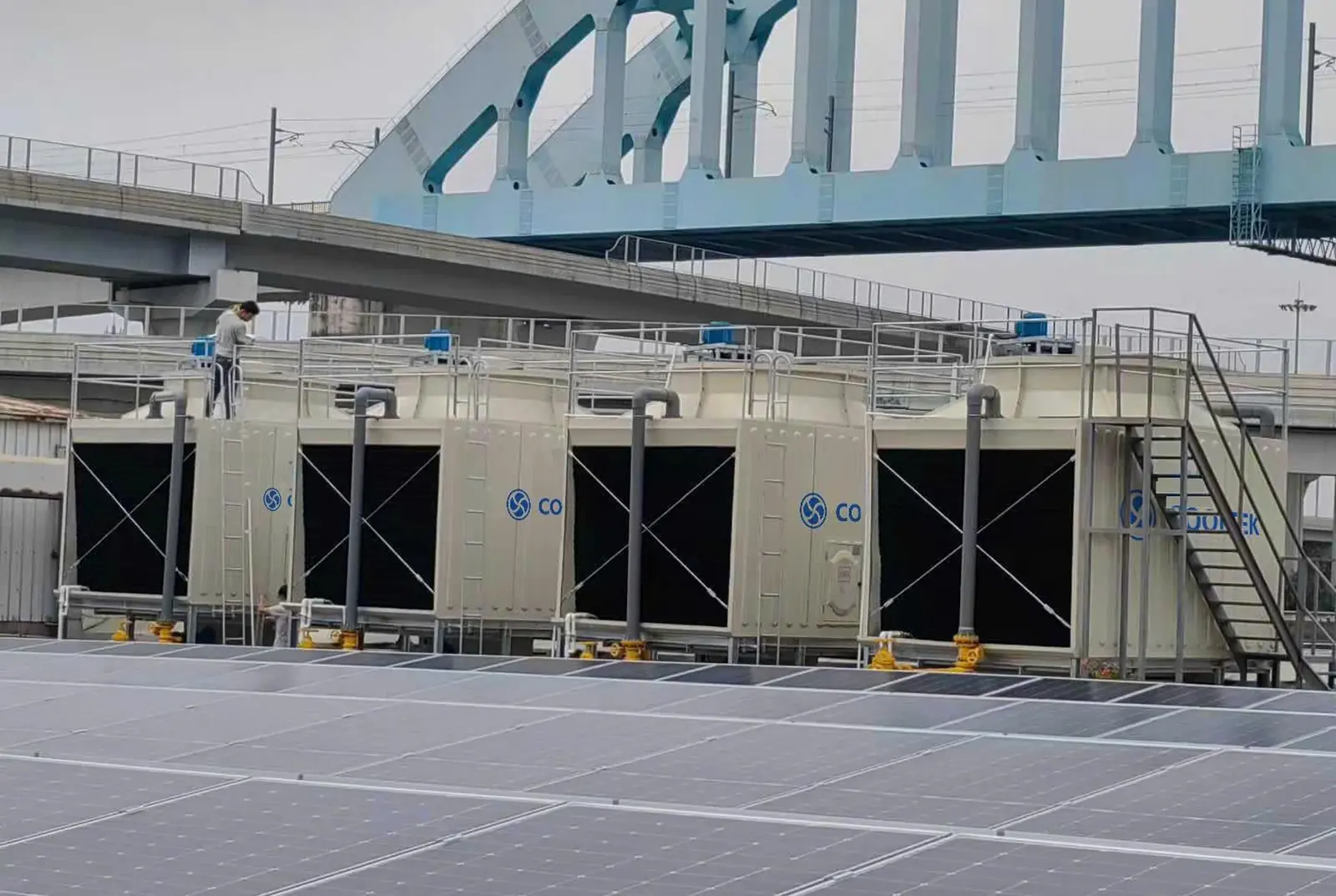
Noise compliance, rising electricity prices, water quality protection, maintenance methods, and downtime losses will all rapidly inflate the true total cost.
Learn More →You only need to submit the flow rate, inlet/outlet water temperatures, installation location, and project type, and you can invite a COOLTEK engineer for an on-site cooling tower selection assessment.