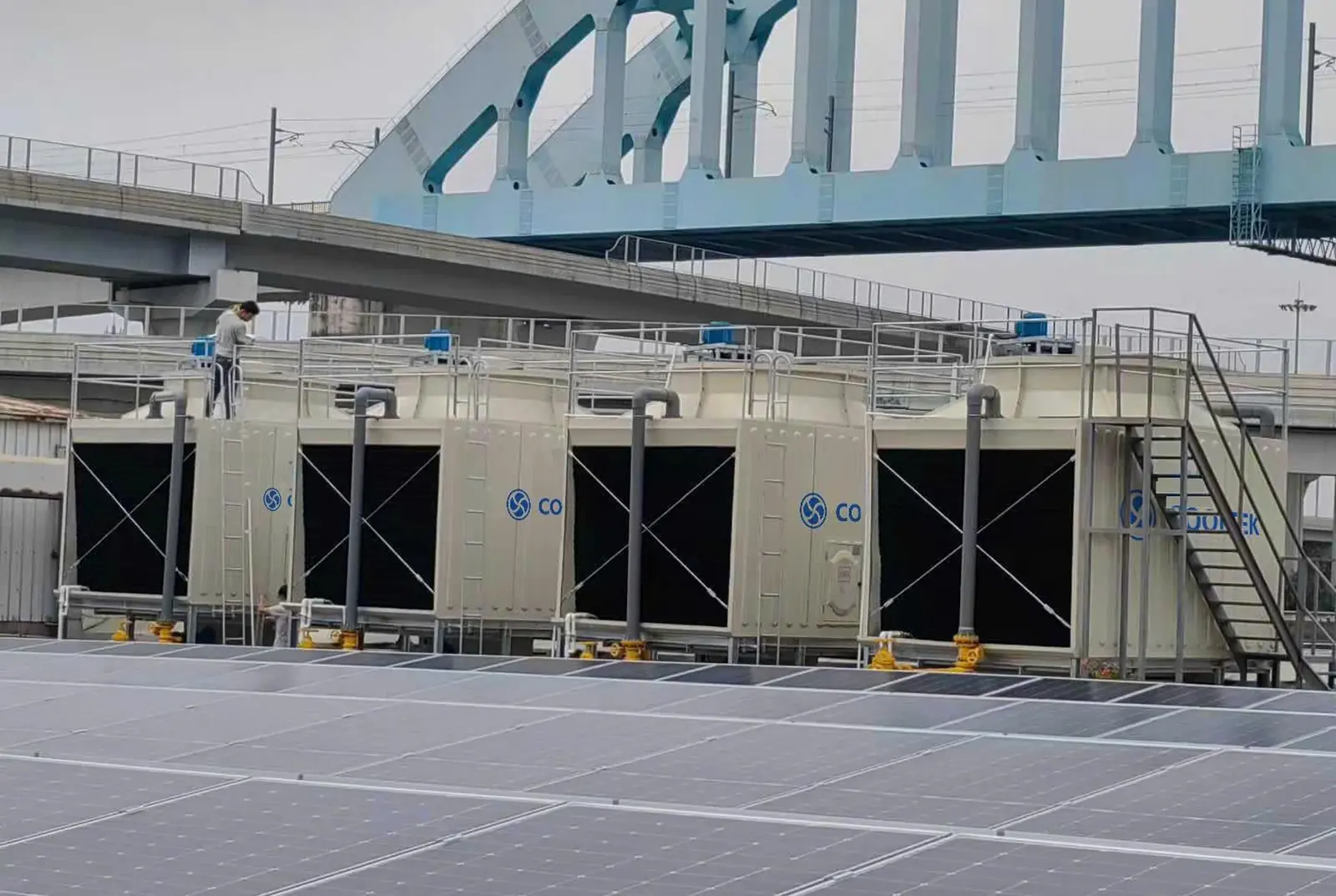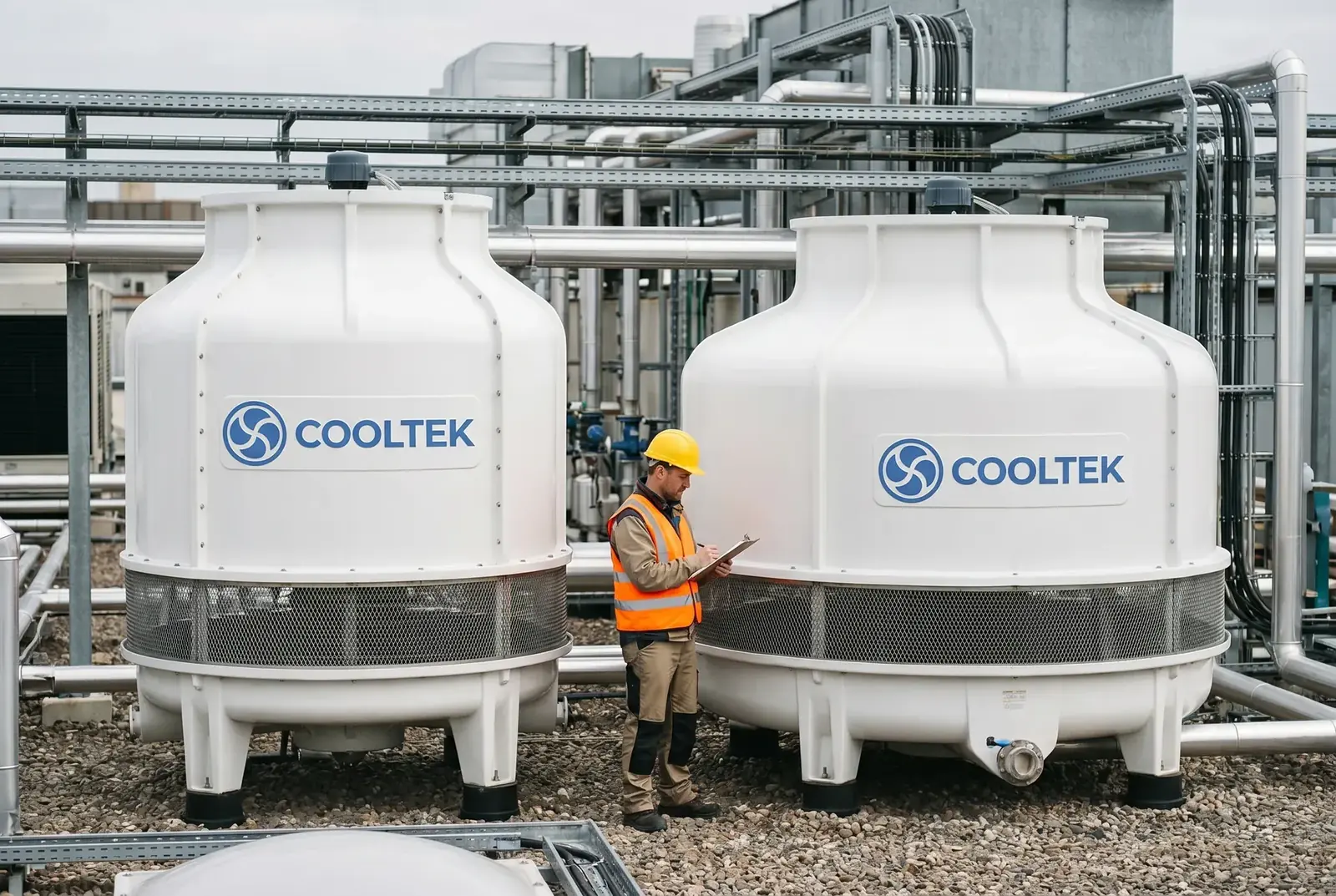
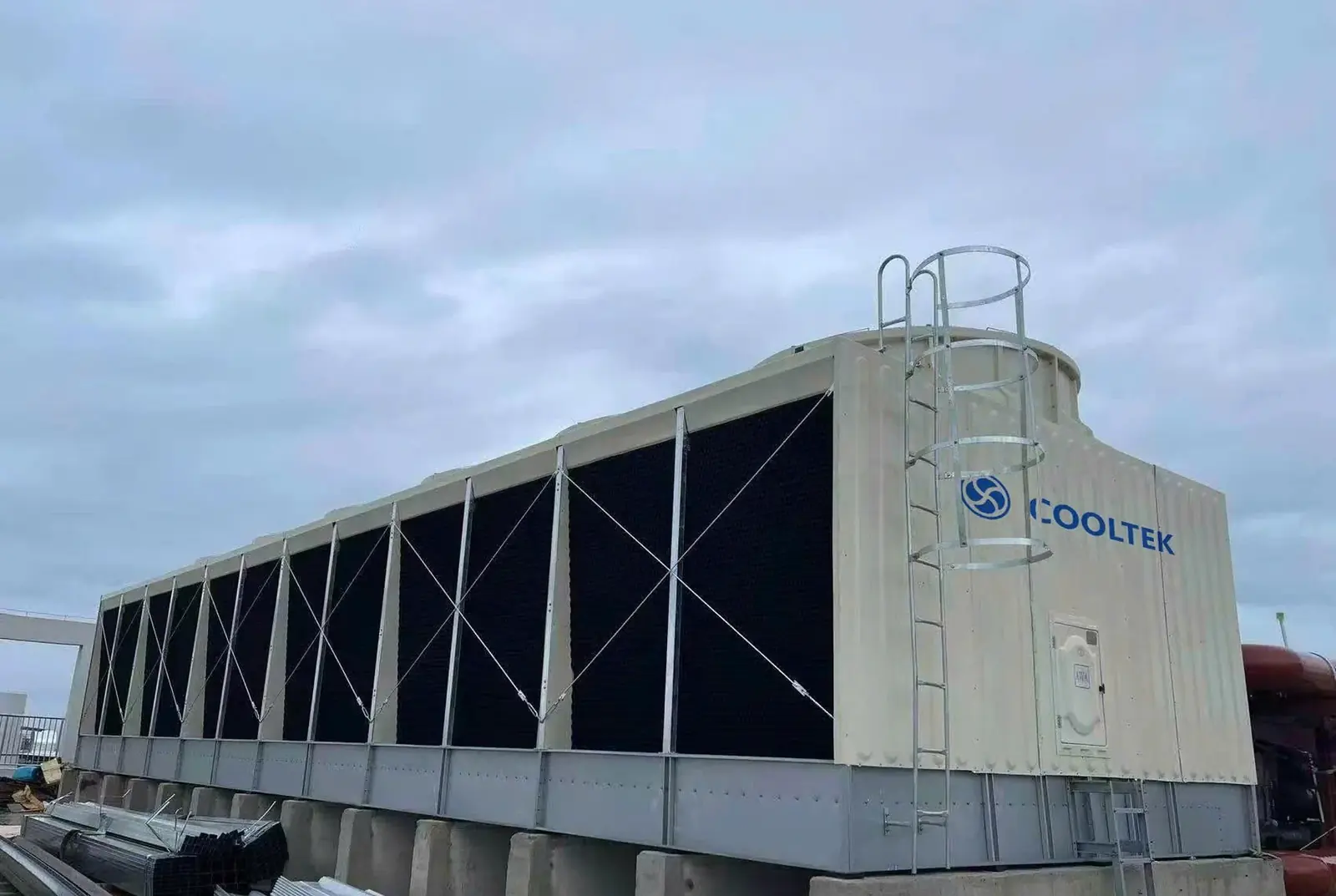
Figure 1: In a coastal salt-spray environment, the galvanized layer of a steel casing is consumed through electrochemical corrosion, while the FRP casing does not participate in the electrochemical corrosion chain.
For cooling towers installed in coastal factories in Vietnam, the casing material is not a simple procurement preference. It directly determines corrosion rate, service life, downtime risk, and long-term maintenance cost.
In coastal industrial zones such as Hai Phong, Quang Ninh, Da Nang, and Ba Ria–Vung Tau, the air contains high concentrations of NaCl aerosols. When these aerosols come into contact with the wet surface of a cooling tower casing, they form a conductive electrolyte film. For metallic casings, this means that electrochemical corrosion begins almost continuously.
Physical Principle: How Salt Spray Consumes a Galvanized Layer
A galvanized steel casing relies on a zinc layer for sacrificial protection. In a coastal salt-spray environment, chloride ions penetrate the protective film on the zinc surface, accelerate zinc dissolution, and expose the steel substrate earlier than in inland conditions.
The Z275 galvanized layer has a typical zinc coating thickness of about 38 μm. Under coastal salt-spray conditions, the annual consumption rate of the galvanized layer may reach 15–25 μm. In theory, this means the protective layer may be largely consumed within 2–3 years. Once the steel substrate is exposed, red rust expands rapidly, and the casing loses its appearance and structural integrity.
Inside the cooling tower, humidity is always close to saturation. Chemicals in circulating water, airborne acidic gases, and long-term vibration further accelerate the corrosion process. This is why galvanized steel cooling towers installed along the coast often show severe rusting within 3–5 years.
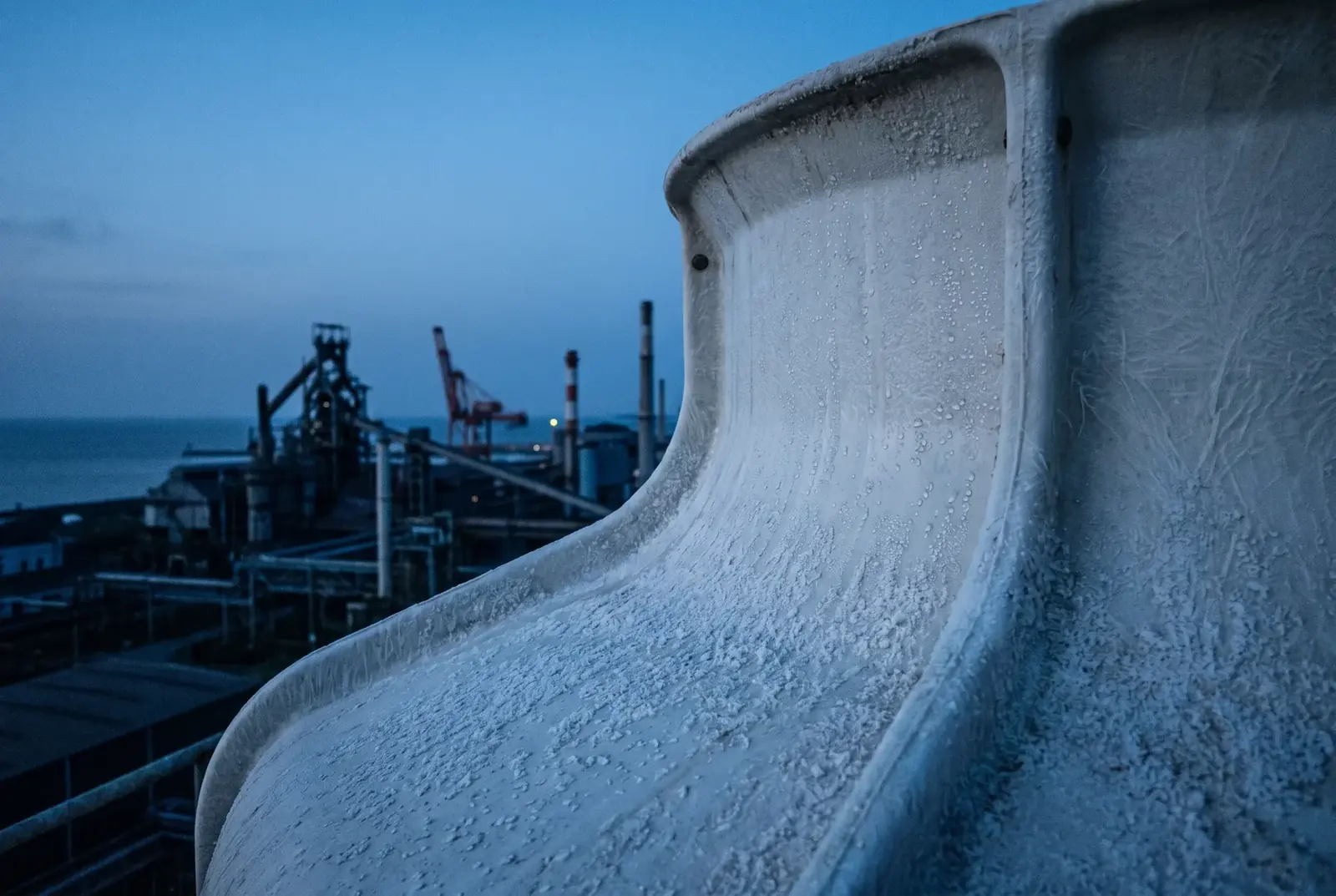
Figure 2: The COOLTEK LH Series FRP casing passed a 1,000-hour neutral salt spray test (ASTM B117) with no blistering, cracking, or corrosion.
COOLTEK Solution: Why the LH Series Uses an FRP Casing
The COOLTEK LH Series uses a high-strength FRP casing formed by hand lay-up. FRP is a composite material made from resin and glass fiber. It has three corrosion-resistance characteristics that are different from metallic materials:
- It does not rely on a sacrificial coating. FRP has no galvanized layer that is gradually consumed.
- It does not participate in electrochemical corrosion. Its resin matrix contains no free electrons and does not form an anode-cathode corrosion cell.
- Its chemical resistance is stable. Within a pH range of 4–10, FRP can maintain structural stability in most industrial circulating-water environments.
For coastal factories, these characteristics mean that the casing does not need frequent anti-corrosion repainting, does not require regular replacement of rusted panels, and does not cause unplanned shutdowns due to casing perforation.
TCO Comparison: FRP vs Galvanized Steel in Coastal Conditions
| Item | Galvanized steel casing | FRP casing |
|---|---|---|
| Initial purchase cost | Baseline | About 30–35% higher |
| Typical service life | 3–5 years | ≥ 15 years |
| Anti-corrosion maintenance | Repainting or panel replacement every 1–2 years | Surface inspection every 5 years |
| Shutdown risk | Medium to high | Low |
| 15-year replacement frequency | 2–3 times | Usually no full replacement |
| 15-year total cost of ownership (TCO) | About 720–870 million VND | About 205–235 million VND |
The initial purchase price of an FRP casing is about 33% higher, but its 15-year TCO is only 25–30% of the galvanized steel option. This gap is particularly significant in coastal environments: the higher the corrosion rate, the greater the cost advantage of the FRP option.
COOLTEK LH Series FRP Specification Verification
The COOLTEK LH Series uses a high-strength FRP casing manufactured by hand lay-up. Key technical indicators include:
- Resin system: isophthalic unsaturated polyester resin, temperature resistance ≥ 80°C
- Glass fiber content: ≥ 30% by mass
- Salt-spray test: passed a 1,000-hour neutral salt spray test (NSS, reference ASTM B117), with no blistering, cracking, or corrosion
- pH tolerance range: 4–10, covering most industrial circulating-water conditions
- Design life: ≥ 15 years, verified through actual applications in coastal industrial zones in Vietnam
The LH Series has more than 10 years of actual operating records in coastal industrial zones in Vietnam, including multiple projects in the Hai Phong port area, supporting industrial zones near Quang Ninh power plants, and coastal industrial parks in Binh Duong.
Reference standards: ASTM B117 Standard Practice for Operating Salt Spray (Fog) Apparatus; ISO 9227 Corrosion Tests in Artificial Atmospheres; QCVN 09:2013/BXD Vietnam National Technical Regulation on Natural Ventilation and Cooling Systems.