LHR · Square Crossflow Cooling Tower · 100–1,000 m³/h

Noise violations, rising pump bills, maintenance shutdowns
—— the LHR Series Cooling Tower solves all three

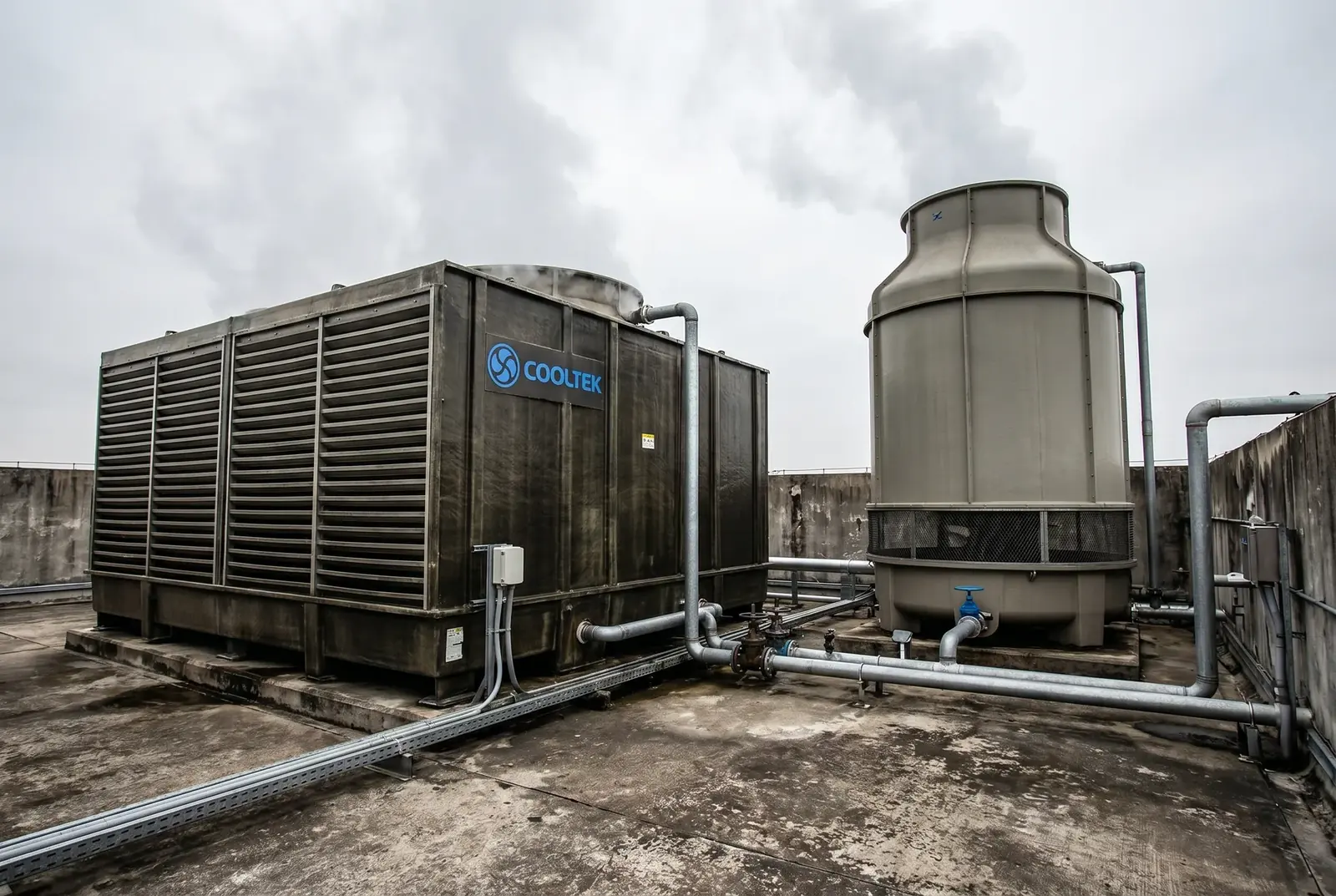
Crossflow gravity distribution delivers 53–56 dBA at source, meeting QCVN 26:2025's night-time boundary limit of 45 dBA. Head loss of just 4–6 kPa cuts circulation pump electricity costs. An open top basin means your team can clean and inspect while the tower keeps running — no production shutdown required.

Flow rate 100–1,000 m³/h Source noise 53–56 dBA Head loss 4–6 kPa FRP shell 15–20 years
Three Compliance and Operational Challenges

Noise fines, electricity bills, maintenance shutdowns

Three problems draining your profits at the same time

When your plant is near a residential area, your production line runs 24 hours, and circulation pump costs keep climbing — these three pressures tend to arrive together.

45 dBA

QCVN 26:2025's night-time limit is a hard line, not a guideline

Vietnam's QCVN 26:2025 sets the industrial zone night-time boundary limit at 45 dBA, with fines up to VND 160 million for violations. Effective November 2025. Standard counterflow towers produce 60–65 dBA at source — even with distance attenuation, night-time readings at the boundary can still exceed the limit.

40–55 kPa

Counterflow tower head loss is quietly consuming tens of thousands in electricity every year

Counterflow towers impose 40–55 kPa of head loss on circulation pumps. At 8,000 operating hours per year, a 500 m³/h counterflow system consumes approximately 12,000–18,000 extra kWh annually just to overcome this resistance. The LHR's crossflow gravity distribution cuts head loss to 4–6 kPa.

1–3 days

Every maintenance cycle means a shutdown — 24-hour lines cannot afford that

Counterflow tower nozzles and fill media sit inside a sealed casing. Cleaning requires a full shutdown and entry. For food, beverage, and pharmaceutical plants running around the clock, every maintenance shutdown translates directly into lost output. The LHR's open top basin lets maintenance staff access the distribution system from above while the tower keeps running.

LHR Series Core Advantages

Three operational challenges

Three engineering solutions, built into the structure

01

Crossflow gravity distribution — reducing noise at the source

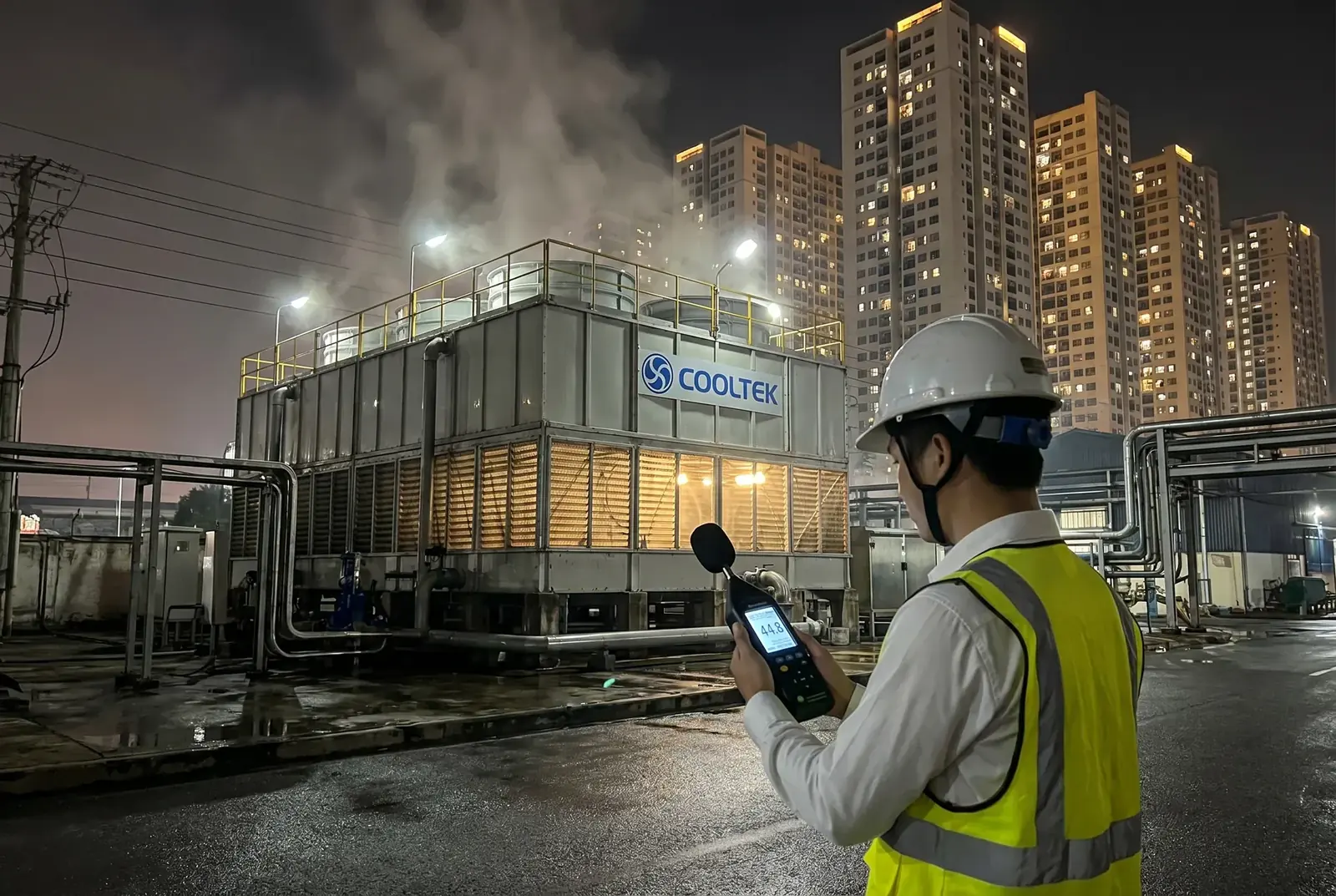
The LHR uses a crossflow configuration: water falls by gravity from a top-mounted open basin, distributed evenly across the fill media through calibrated holes — no high-pressure nozzles required. Without nozzle spray noise or water-impact turbulence, source noise is 6–10 dBA lower than a comparable counterflow tower.

In practice: 53–56 dBA at source, attenuating to below 45 dBA at the factory boundary under standard conditions, meeting QCVN 26:2025's night-time industrial zone limit. The LHR-U ultra-low-noise variant reduces this by a further 2–3 dBA for sites closer to residential buildings.

53–56 dBA at sourceMeets QCVN 26:2025 night-time 45 dBA boundary limit; LHR-U reduces by a further 2–3 dBA
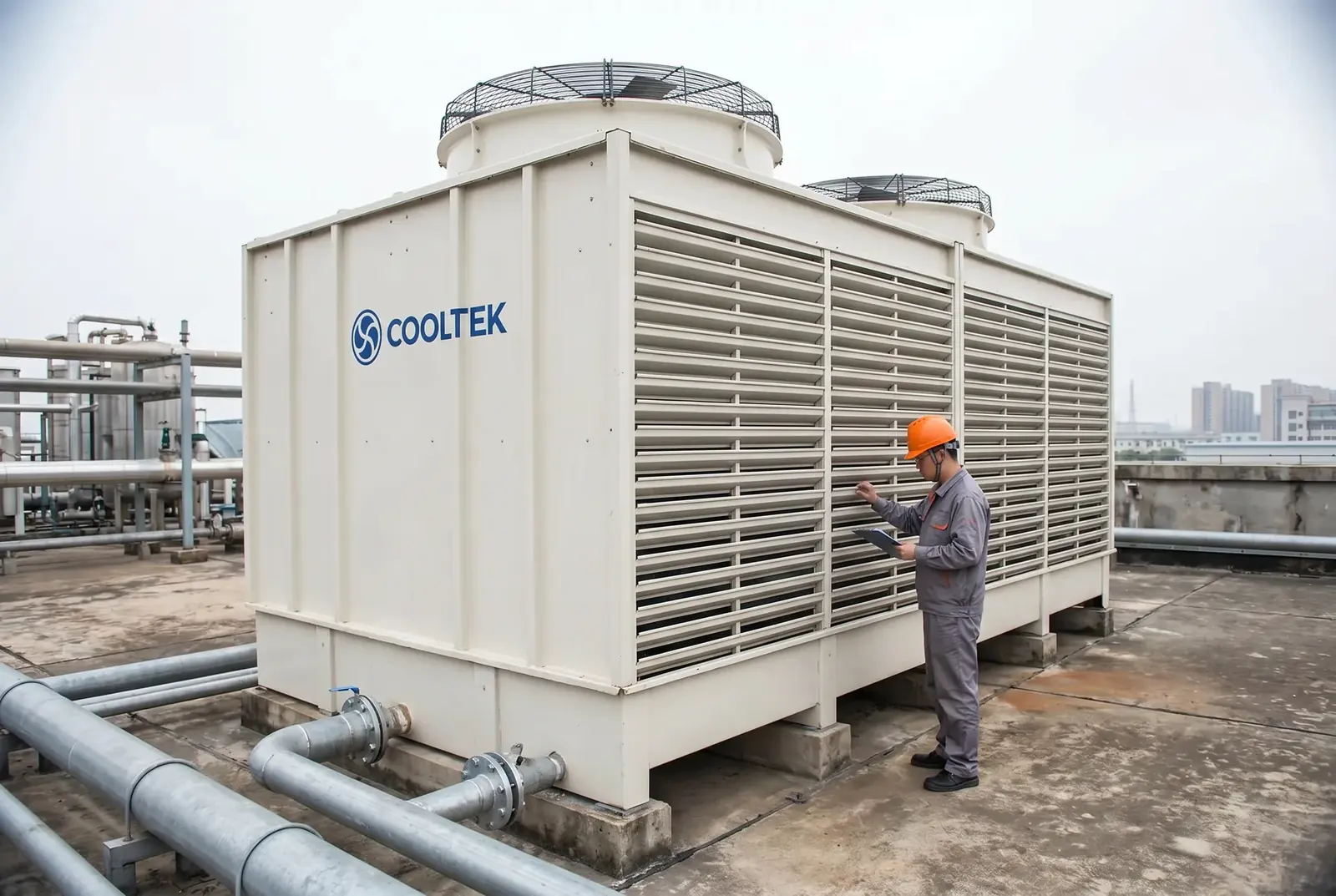
COOLTEK LHR Series crossflow gravity distribution structure, engineer inspecting top basin
Fig. 1 — LHR crossflow gravity basin: water falls naturally, no high-pressure nozzles, 53–56 dBA at source.
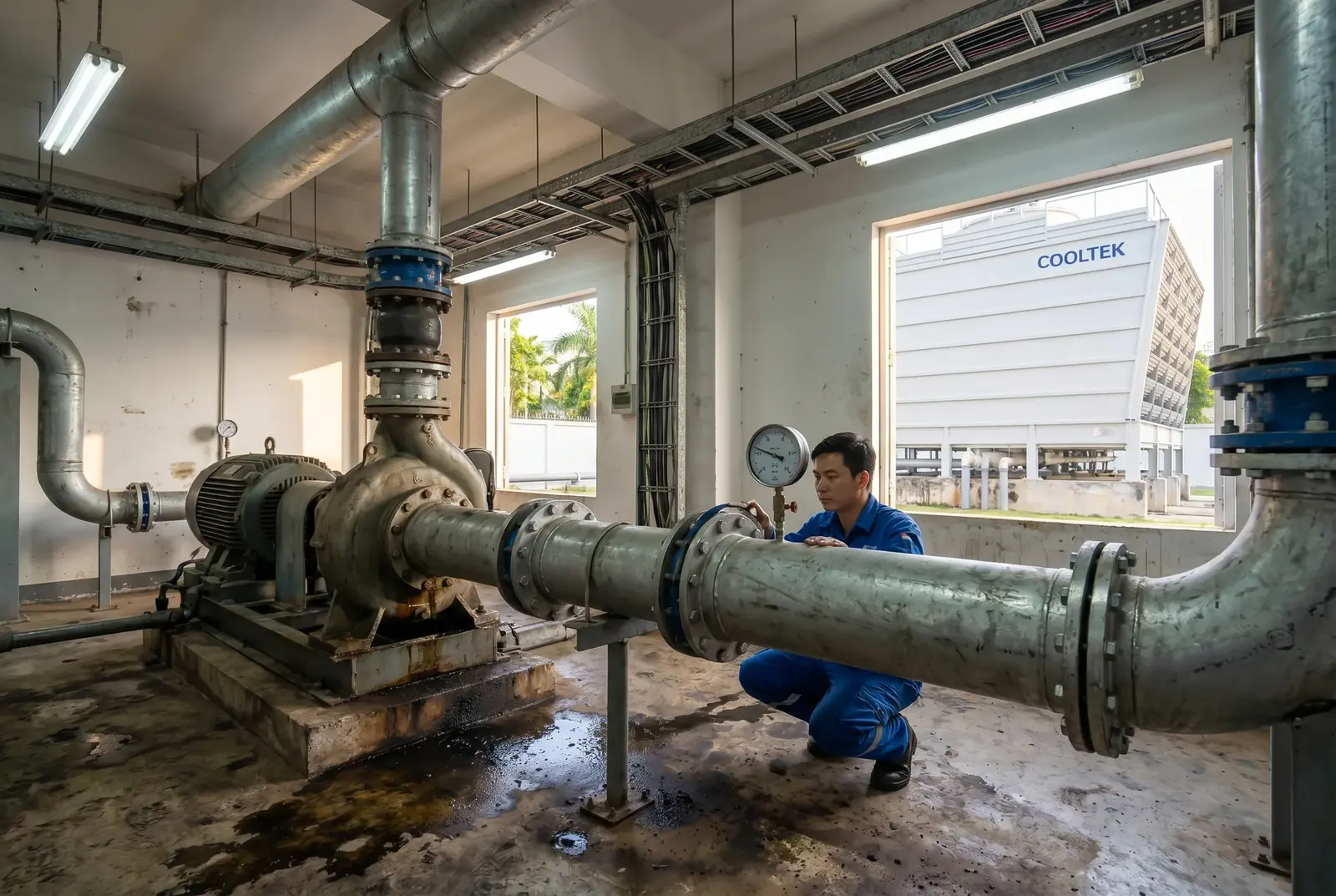
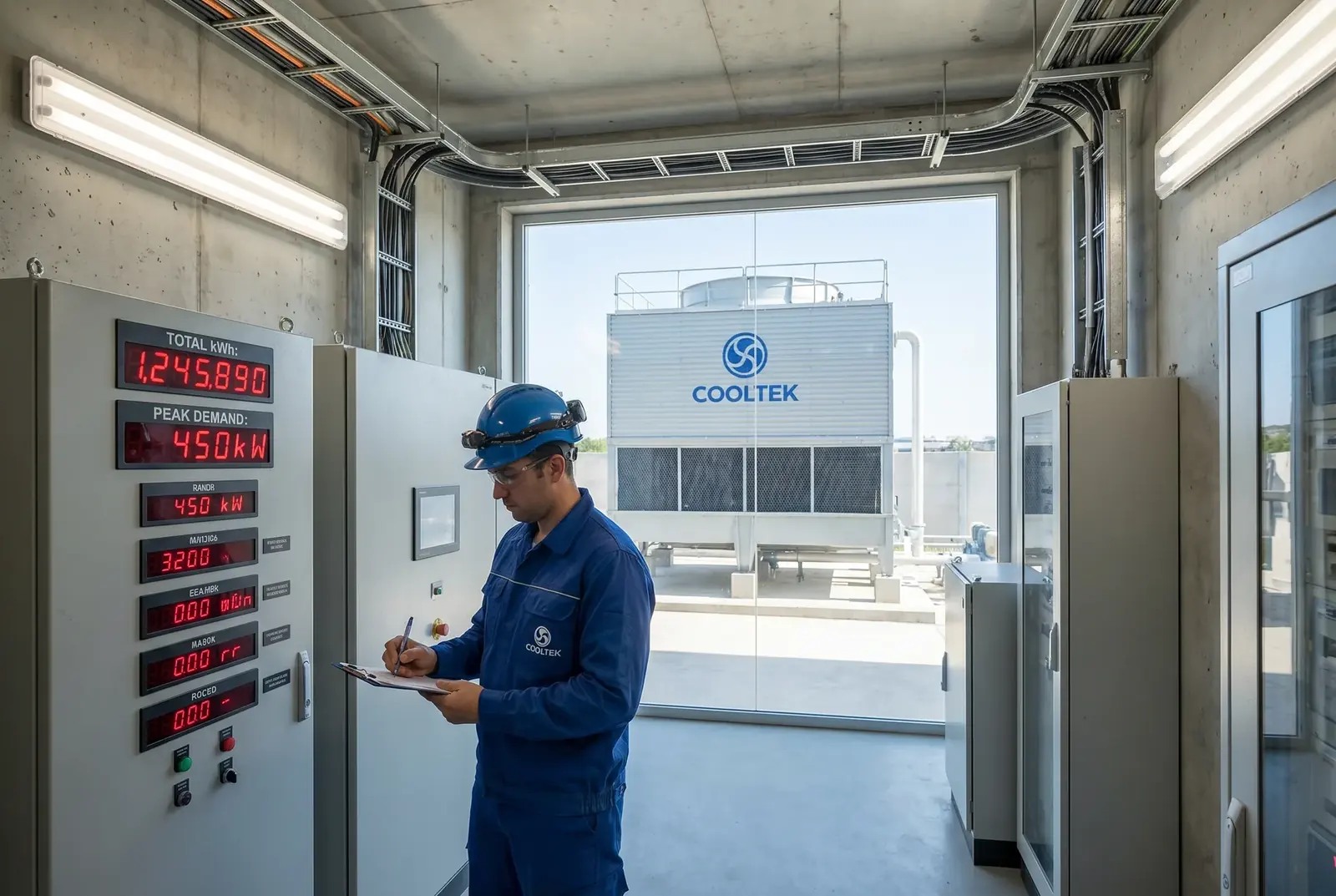
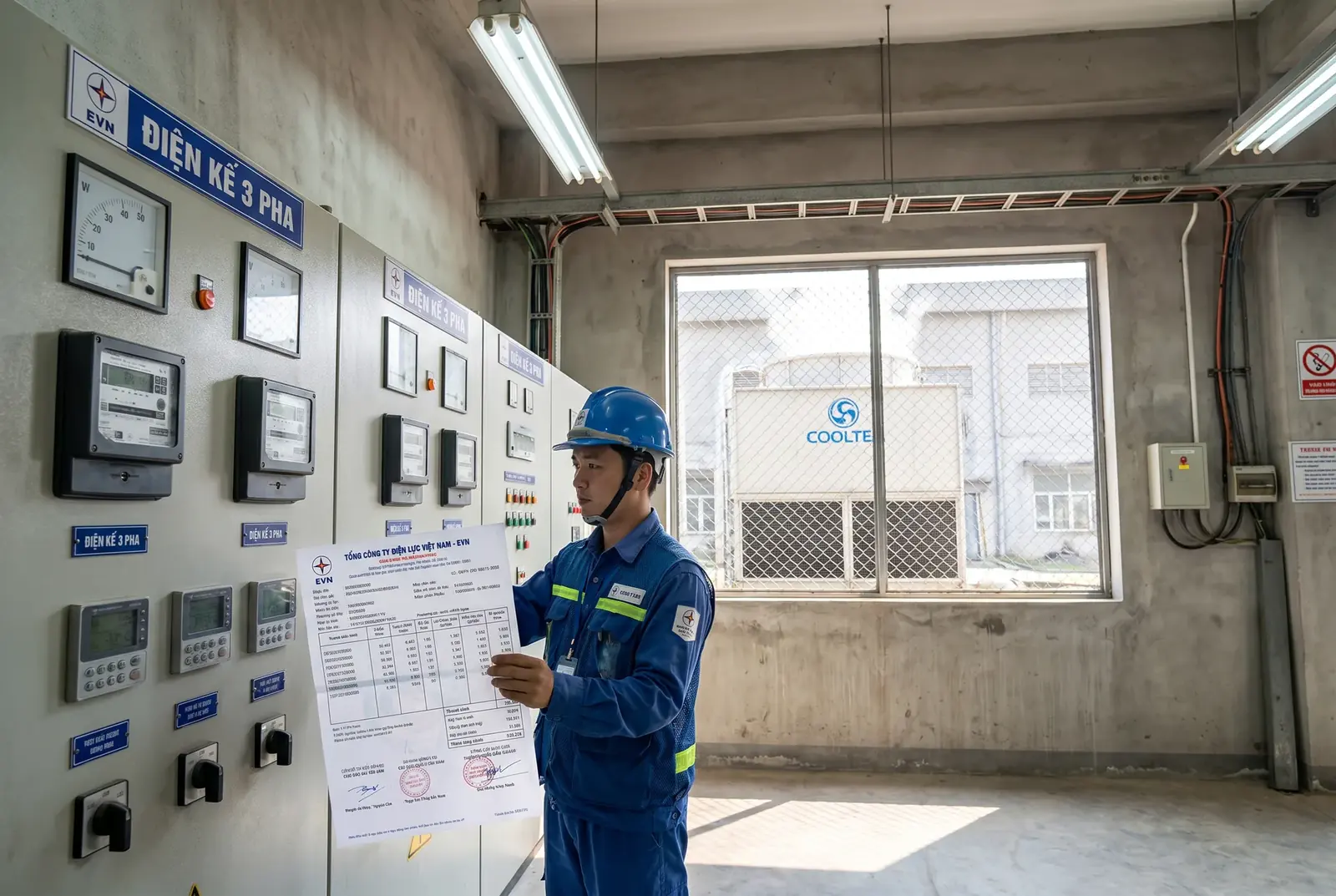
Factory pump room with low head-loss piping system, COOLTEK LHR tower visible through window
Fig. 2 — LHR head loss of just 4–6 kPa means circulation pumps work far less, delivering measurable annual energy savings.
02

Low head-loss design — a meaningful reduction in pump electricity costs every year

The physics of crossflow gravity distribution inherently produce very low head loss: just 4–6 kPa. By contrast, counterflow towers must pump water up to top-mounted nozzles, imposing 40–55 kPa of resistance that the circulation pump must continuously overcome.

For your plant: existing pumps typically need no replacement, saving retrofit costs. For an LHR-500L running 8,000 hours per year at Vietnam's industrial electricity tariff, annual savings are approximately 12,000–18,000 kWh, equivalent to VND 30–45 million.

Head loss 4–6 kPa90% lower than counterflow towers; existing pumps typically require no replacement
03

Open top basin — maintain while running, no production shutdown required

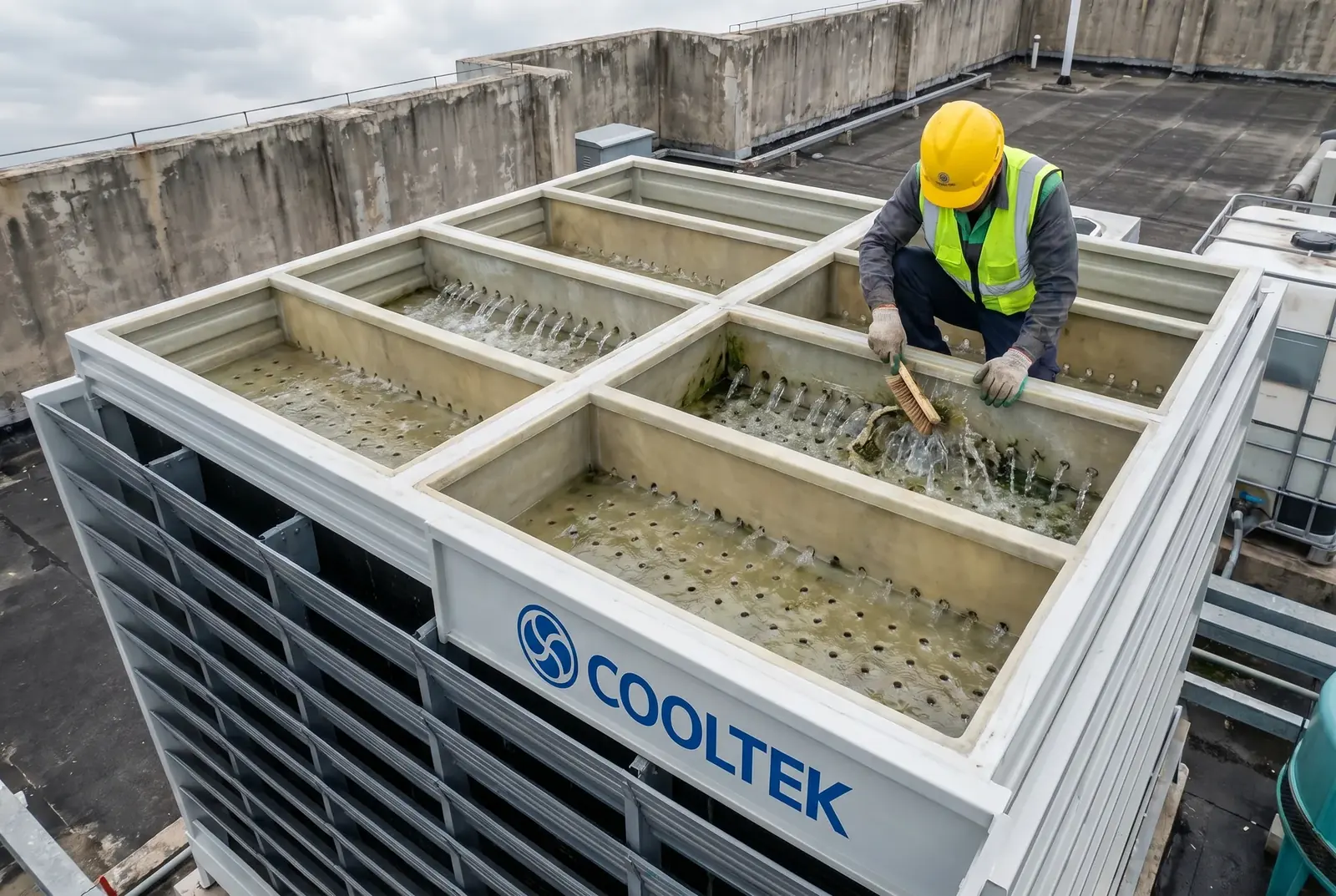
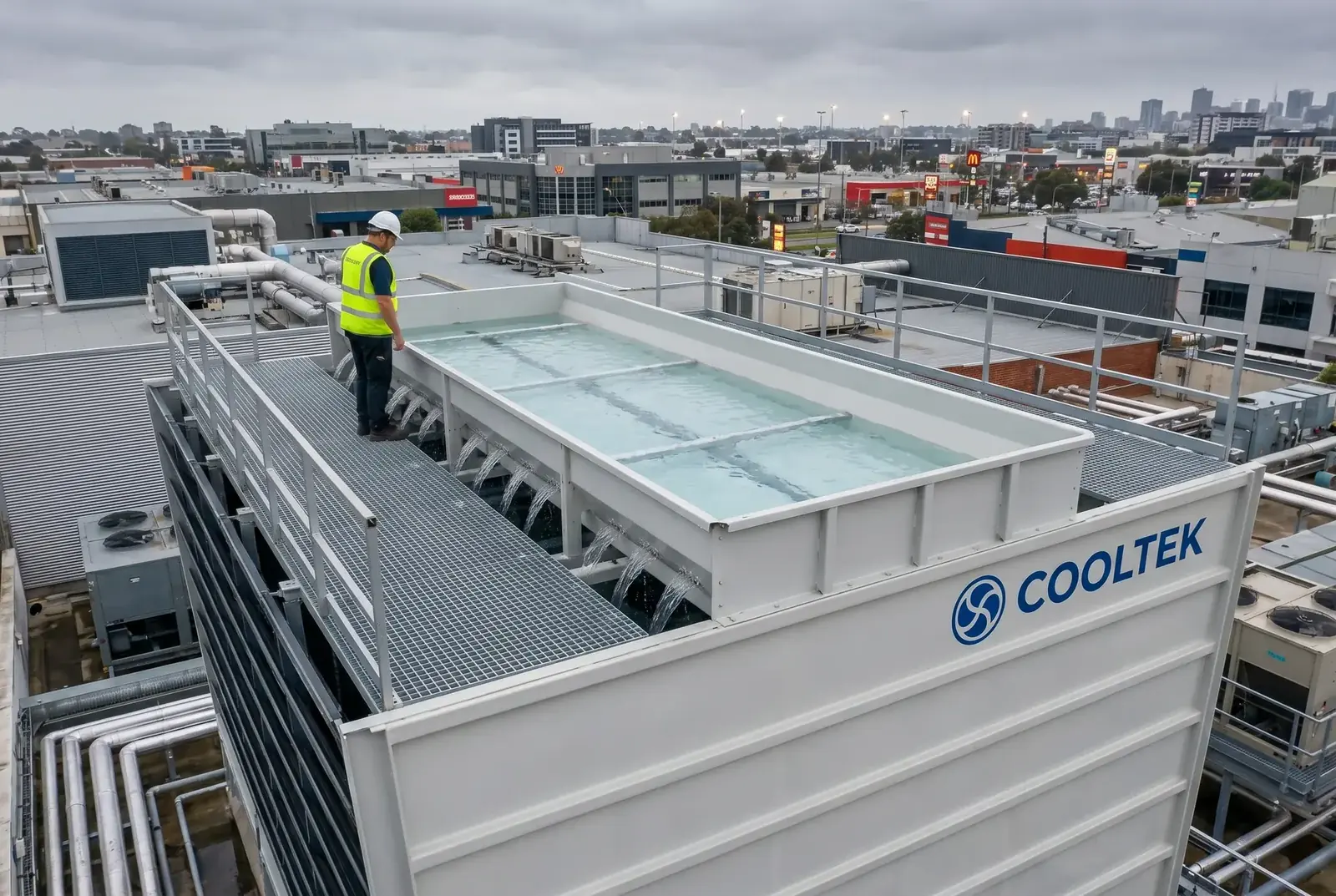
The LHR's water distribution system sits at the top of the tower in an open gravity basin. Maintenance staff reach it via an external ladder and can clean the basin, clear distribution holes, and inspect fill media while the tower operates at full capacity — no shutdown needed.

For 24-hour continuous production lines: maintenance schedules are no longer constrained by shutdown windows; higher maintenance frequency keeps equipment in better condition; and production losses from maintenance shutdowns become a thing of the past.

Run-and-maintain capabilityOpen top basin accessible during operation — ideal for 24-hour continuous production
Maintenance technician cleaning COOLTEK LHR open top gravity basin while tower is running
Fig. 3 — LHR open top basin: accessible from above during operation, no shutdown required.
Quick Model Selection

LHR Series Cooling Tower — All 16 Models at a Glance

Match your flow rate or noise requirement to the right model

Standard design conditions: inlet 37 °C, outlet 32 °C, wet-bulb 27 °C, atmospheric pressure 99.4 kPa.

ModelFlow (m³/h)Footprint L×W (mm)Height (mm)Fan Dia. (mm)Motor (kW)Dry Weight (kg)Inlet/Outlet DN
LHR-100L1002,250×2,2503,2001,8002.2980125
LHR-125L1252,500×2,5003,2002,1003.01,150150
LHR-150L1502,750×2,7503,4002,1004.01,320150
LHR-175L1753,000×3,0003,4002,1005.51,500150
LHR-200L2003,250×3,2503,4002,4005.51,680200
LHR-250L2503,500×3,5003,6002,8507.52,050200
LHR-300L3003,750×3,7503,8003,20011.02,480250
LHR-350L3504,000×4,0003,8003,20011.02,820250
LHR-400L4004,500×4,5004,0003,20015.03,350250
LHR-450L4504,800×4,8004,0003,20015.03,640300
LHR-500L5005,000×5,0004,2003,70015.03,980300
LHR-600L6005,250×5,2504,5003,70018.04,520350
LHR-700L7005,500×5,5004,5004,05018.55,280350
LHR-800L8006,000×6,0004,7004,25022.06,150400
LHR-900L9006,500×6,5004,7004,55022.07,020400
LHR-1000L1,0007,000×7,0004,9004,55030.07,980400

LHR-U Ultra-Low Noise Variant — For Sites Near Residential Areas

A silencing section (approximately 700 mm additional height) reduces noise by a further 2–3 dBA. Recommended when the factory is within 50 m of residential buildings, or where the 40 dBA special zone limit applies under QCVN 26:2025. Available across the full model range.

Enquire about LHR-U
Avoid Costly Mistakes

5 site conditions to confirm before ordering

Confirm these five conditions before submitting your enquiry to avoid discovering installation constraints after the model is selected.

① Boundary noise limit and distance

Confirm the applicable QCVN 26:2025 limit for your zone (industrial: 45 dBA / special: 40 dBA) and the distance from the cooling tower to the nearest residential building, to determine whether standard LHR or LHR-U is required.

② Footprint and clearance height

Available installation area must be ≥ tower footprint plus at least 600 mm service clearance on all sides. The LHR is 800–1,200 mm shorter than an equivalent counterflow tower, making it better suited to height-restricted locations.

③ Pump head confirmation

LHR head loss is only 4–6 kPa, so existing pumps typically need no replacement. Confirm your existing pump's rated head and flow to verify system compatibility.

④ Water quality and make-up supply

Confirm circulating water hardness, pH, and suspended solids are within normal ranges. Poor water quality accelerates fill media degradation.

⑤ Target outlet water temperature

Confirm the outlet temperature your process requires. LHR standard design: outlet 32°C at wet-bulb 27°C, approach temperature approximately 5–7°C. If your process requires an approach temperature ≤ 3°C, the LHN counterflow series is recommended.

An Honest Recommendation

4 situations where the LHR Series may not be the best fit

We would rather you choose the right product than the wrong one. If your primary requirement falls into one of these categories, please review the alternative series first.

Frequently Asked Questions

Engineering answers to the 6 most common questions

What noise level does the LHR Series Cooling Tower achieve?

53–56 dBA at source (1 m from the unit). The LHR-U ultra-low-noise variant adds a silencing section and reduces this by a further 2–3 dBA, meeting QCVN 26:2025's night-time 45 dBA industrial zone boundary limit.

Head loss is only 4–6 kPa — can I use my existing pump?

In most cases, yes. The LHR's head loss is far below that of counterflow towers, and existing pumps typically have sufficient margin. COOLTEK engineers can verify compatibility based on your pump model and pipework parameters.

How does run-and-maintain actually work in practice?

The open top gravity basin is reached via an external ladder on the tower body. While the tower runs at full capacity, maintenance staff enter from above to clean basin scale, clear distribution holes, and inspect fill media. A standard cleaning typically takes 2–4 hours.

How do I choose between LHR and LHR-U?

Key factors: distance to the nearest residential building and the applicable noise limit. Distance > 100 m — standard LHR typically meets the 45 dBA limit; 50–100 m — LHR-U recommended; < 50 m or where the 40 dBA special zone limit applies — LHR-U required.

How stable is the outlet water temperature?

Standard design: inlet 37°C, outlet 32°C, wet-bulb 27°C, approach temperature approximately 5–7°C. Outlet temperature stability is slightly lower than counterflow towers. If your process requires an approach temperature ≤ 3°C, please review the LHN Series.

Is the LHR suitable for rooftop installation?

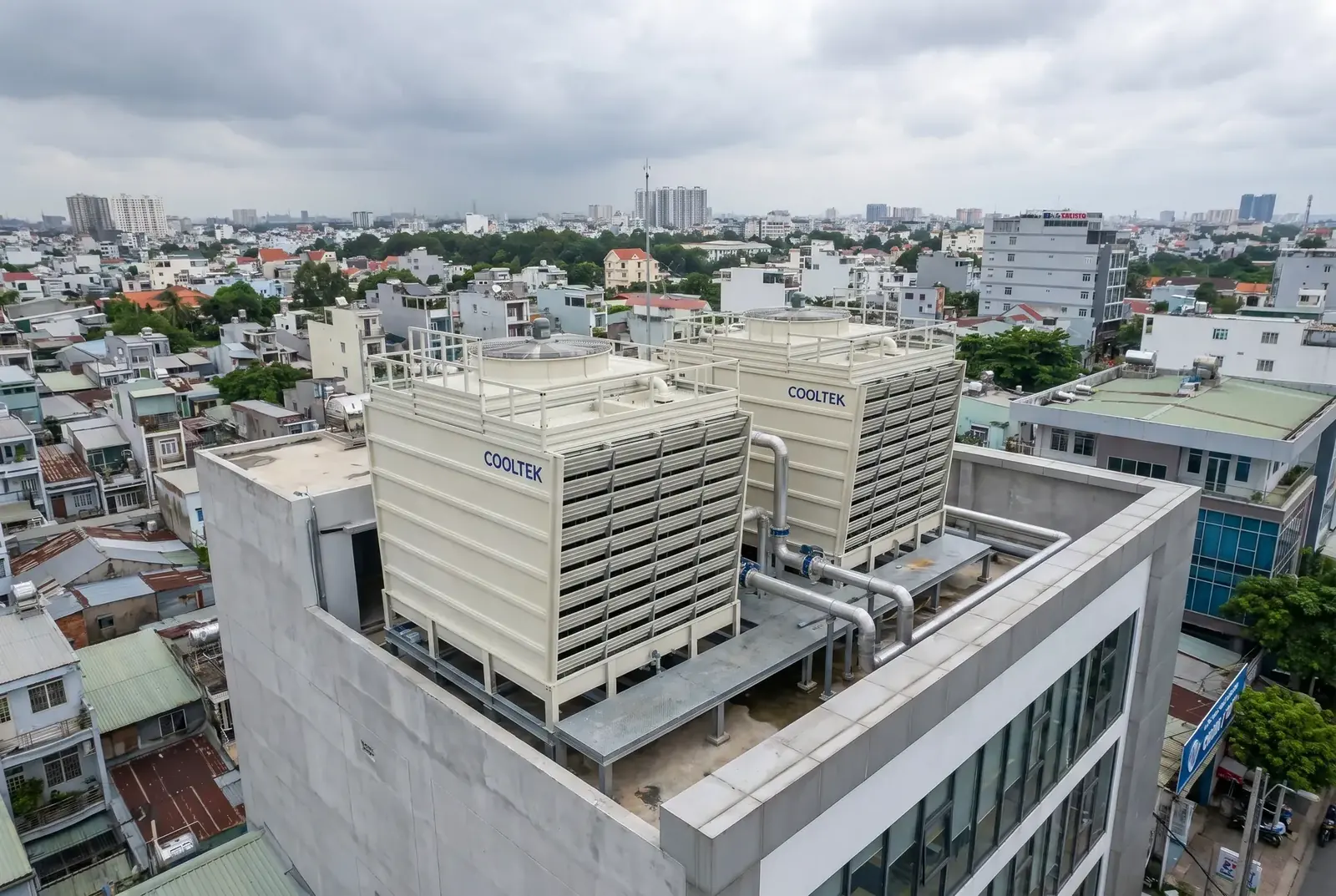
Yes. The LHR is 800–1,200 mm shorter than an equivalent counterflow tower, placing lower demands on rooftop clearance. Confirm rooftop load capacity and clearance height before ordering — COOLTEK's engineering team will verify against your structural parameters.

Benefits of Choosing the LHR Series Cooling Tower

Four concrete improvements when you choose the LHR Series Cooling Tower

If your plant faces noise violations, rising pump electricity costs, and maintenance shutdowns, the LHR Series Cooling Tower is the solution to evaluate first.

Night-time noise compliance — QCVN 26:2025 fines eliminated

53–56 dBA at source meets the QCVN 26:2025 night-time 45 dBA industrial zone boundary limit. LHR-U further meets the 40 dBA special zone limit, permanently removing the risk of noise violations.

Circulation pump electricity costs fall significantly every year

Head loss of just 4–6 kPa — 90% lower than counterflow towers. Existing pumps require no replacement. Annual electricity savings of tens of millions of VND, with a typical payback period of 2–3 years.

Maintenance without shutdown — 24-hour lines keep running

Open top basin, accessible during operation. Maintenance schedules are no longer tied to shutdown windows. Higher maintenance frequency, better equipment condition, zero production losses from maintenance.

FRP shell lasts 15–20 years — lower total cost of ownership

Fibreglass-reinforced plastic (FRP) resists corrosion and UV degradation. Low maintenance frequency combined with low energy consumption delivers significantly lower total lifecycle costs than traditional metal towers.

Further Reading

Go deeper on the LHR Series Cooling Tower

Does your plant need to meet a noise limit, or reduce electricity costs?

Submit your flow rate, boundary distance, and noise limit requirements. COOLTEK's engineers will provide an LHR or LHR-U model recommendation and technical proposal based on your actual site conditions.