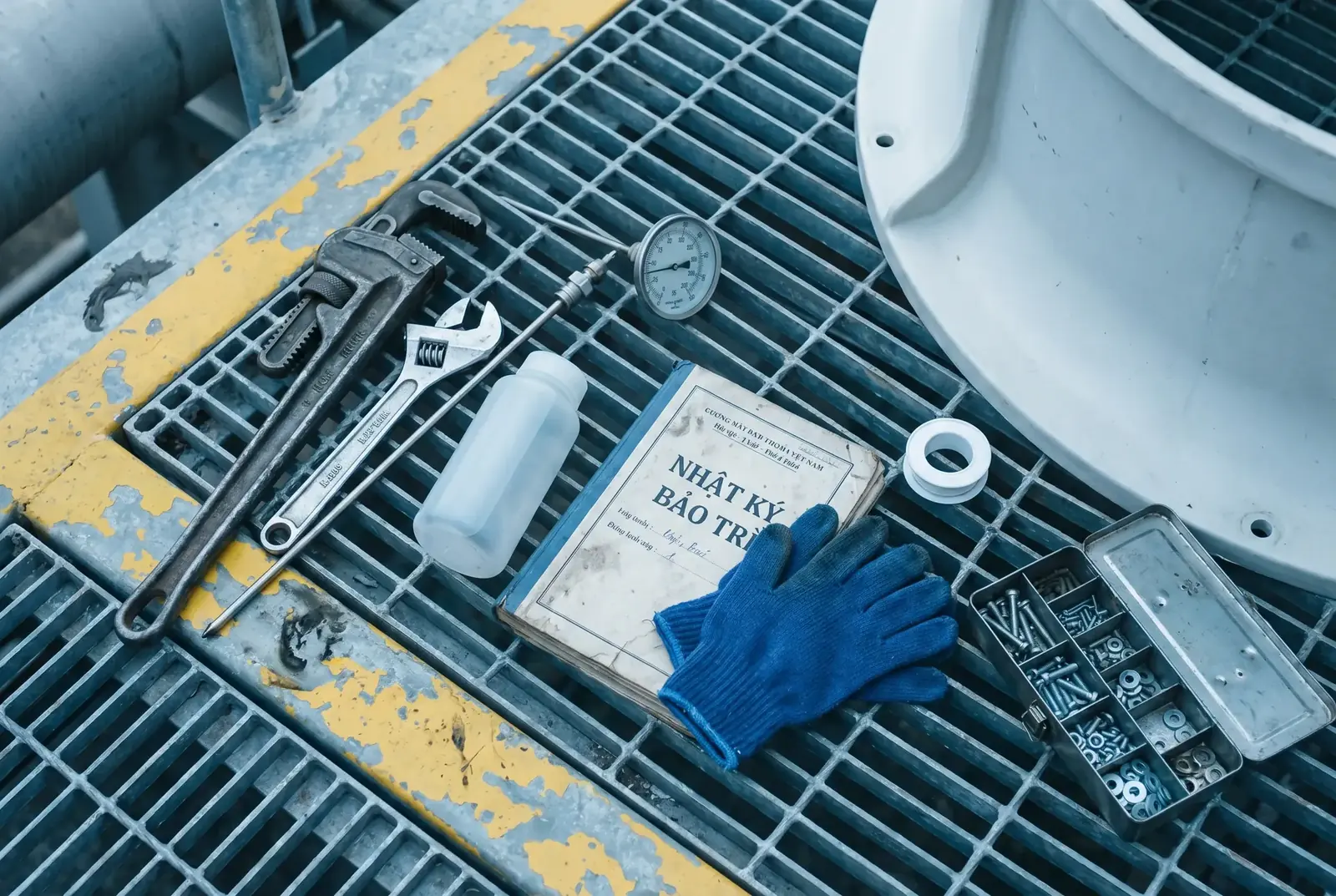
Chemical and pharmaceutical plants impose more demanding requirements on cooling towers than typical industrial applications. Corrosive process chemicals contaminate cooling water, GMP regulations require cleanable surfaces, and environmental regulations restrict noise and drift emissions. Standard industrial cooling towers often fail to meet these requirements without significant modification.
This article examines how the COOLTEK LH series addresses the specific requirements of chemical and pharmaceutical cooling applications.
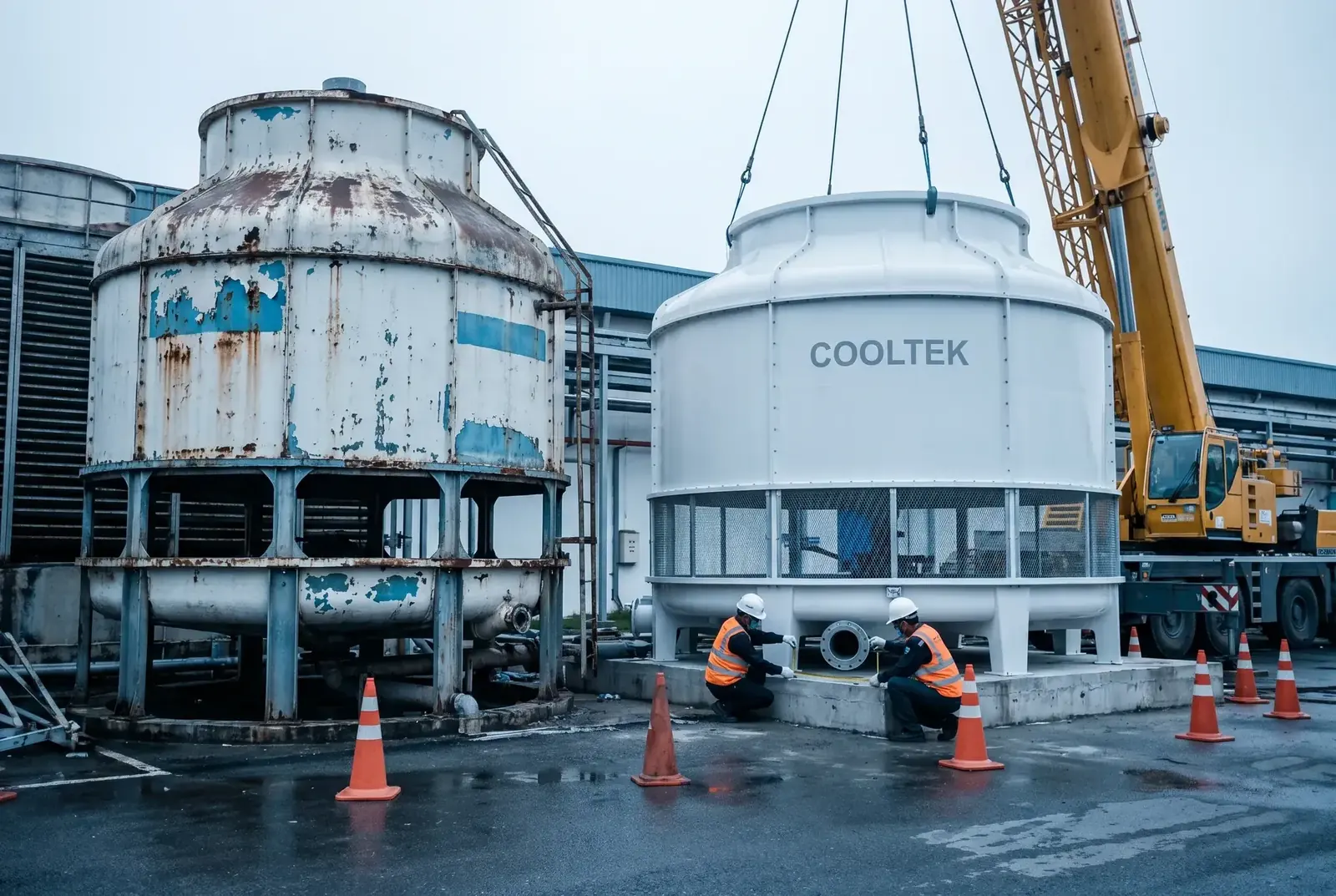
Chemical and pharmaceutical plants require cooling towers that can handle corrosive water chemistry, meet GMP cleanliness standards, and comply with Vietnam's environmental regulations.
1. Corrosion Resistance Requirements
1.1 Chemical Contamination of Cooling Water
In chemical plants, process leaks and heat exchanger tube failures can introduce corrosive chemicals into the cooling water circuit. Common contaminants include:
- Acids (HCl, H₂SO₄, HNO₃) from chemical processes
- Alkalis (NaOH, NH₃) from cleaning and process operations
- Chlorinated solvents from pharmaceutical synthesis
- Oxidizing agents (H₂O₂, Cl₂) from water treatment and process operations
These contaminants can rapidly corrode galvanized steel and carbon steel components, causing structural failure within 1–3 years.
1.2 LH Series Material Selection
The COOLTEK LH series uses the following corrosion-resistant materials:
| Component | Material | Corrosion Resistance |
|---|---|---|
| Housing panels | FRP (fiberglass reinforced plastic) | Resistant to most acids, alkalis, and solvents |
| Basin | FRP or 304/316L stainless steel (optional) | Excellent resistance to chemical contamination |
| Fill media | PVC (standard) or PP (high-temperature/chemical grade) | PP fill resistant to most organic solvents |
| Fasteners | 316L stainless steel | Resistant to chloride-induced stress corrosion |
| Fan blades | FRP or aluminum alloy | No corrosion in normal cooling water chemistry |
2. GMP Compatibility
2.1 Surface Cleanability Requirements
Pharmaceutical plants operating under GMP (Good Manufacturing Practice) regulations require all equipment in contact with process water or located in classified areas to have smooth, cleanable surfaces with no crevices that can harbor biofilm.
The LH series FRP housing has a smooth gel-coat surface that can be cleaned with standard pharmaceutical-grade disinfectants. The open gravity distribution basin (on LHR models) allows direct access for cleaning and inspection without disassembly.
2.2 Drift Eliminator Performance
Cooling tower drift (entrained water droplets in the exhaust air) is a critical concern in pharmaceutical environments because drift can carry Legionella and other microorganisms. The LH series uses high-efficiency drift eliminators with a drift rate of <0.001% of circulating water flow, meeting the most stringent pharmaceutical industry requirements.
3. Water Quality Control
3.1 Conductivity and Blowdown Control
Chemical plants often use high-purity water as cooling water makeup, and the conductivity control requirements are stricter than standard industrial applications. The LH series basin design allows easy installation of automatic conductivity controllers and blowdown valves for precise water quality management.
3.2 Legionella Risk Management
Pharmaceutical plants are subject to strict Legionella control requirements under Vietnam's Ministry of Health regulations. The LH series design features that support Legionella management include:
- No dead-leg piping in the water distribution system
- Easy access to all wetted surfaces for inspection and cleaning
- Compatible with all standard biocide treatment programs
- Basin drain designed for complete drainage and drying during extended shutdowns
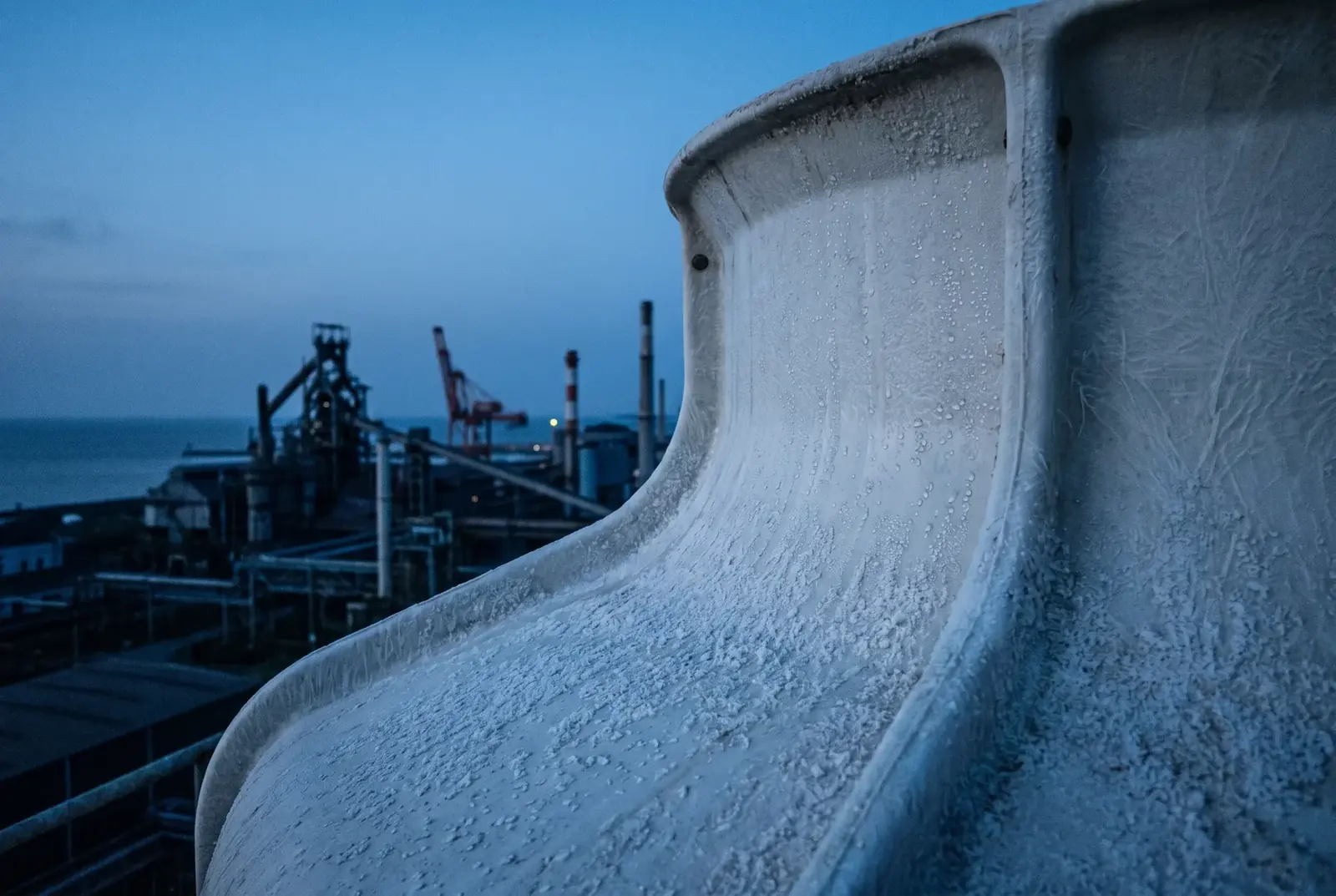
The FRP housing of the LH series is resistant to the chemical contamination common in pharmaceutical and chemical plant environments, with a service life exceeding 20 years.
4. Environmental Compliance
4.1 Noise Compliance
Chemical and pharmaceutical plants are often located in industrial parks adjacent to residential areas, subject to QCVN 26:2010 noise limits. The LH series noise levels (55–65 dB(A) at 1 m) typically comply with industrial zone limits without additional noise attenuation measures.
4.2 Drift and Mist Emissions
Vietnam's environmental regulations (QCVN 05:2013 ambient air quality standards) restrict visible mist emissions from cooling towers in certain locations. The LH series high-efficiency drift eliminators reduce visible plume formation, and optional plume abatement configurations are available for sensitive locations.
Reference standards: WHO Legionella and the Prevention of Legionellosis (2007); Vietnam Ministry of Health Circular 41/2014/TT-BYT on water quality; QCVN 26:2010 National Technical Regulation on Noise; QCVN 05:2013 National Technical Regulation on Ambient Air Quality; EU GMP Annex 1 (2022) manufacture of sterile medicinal products.