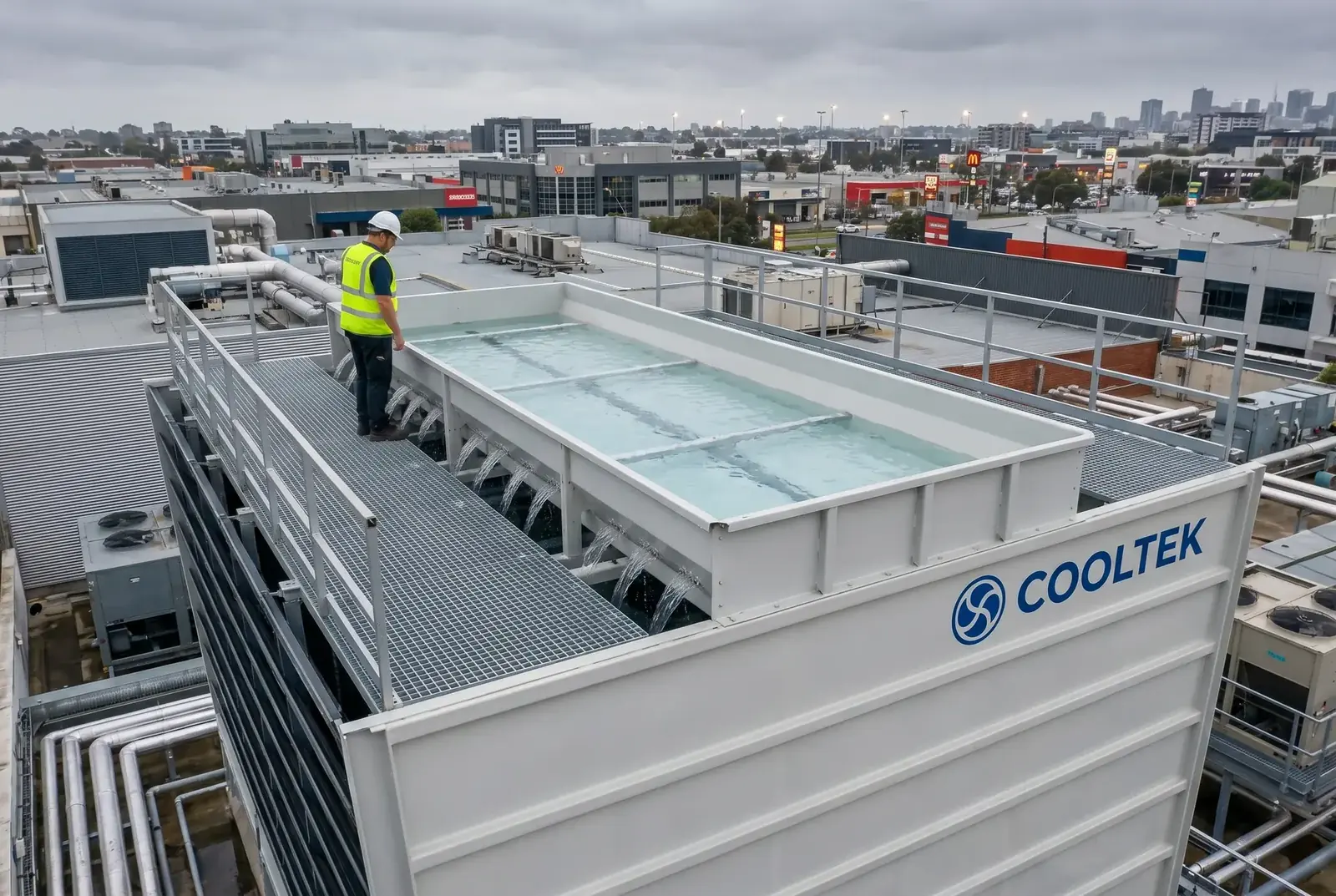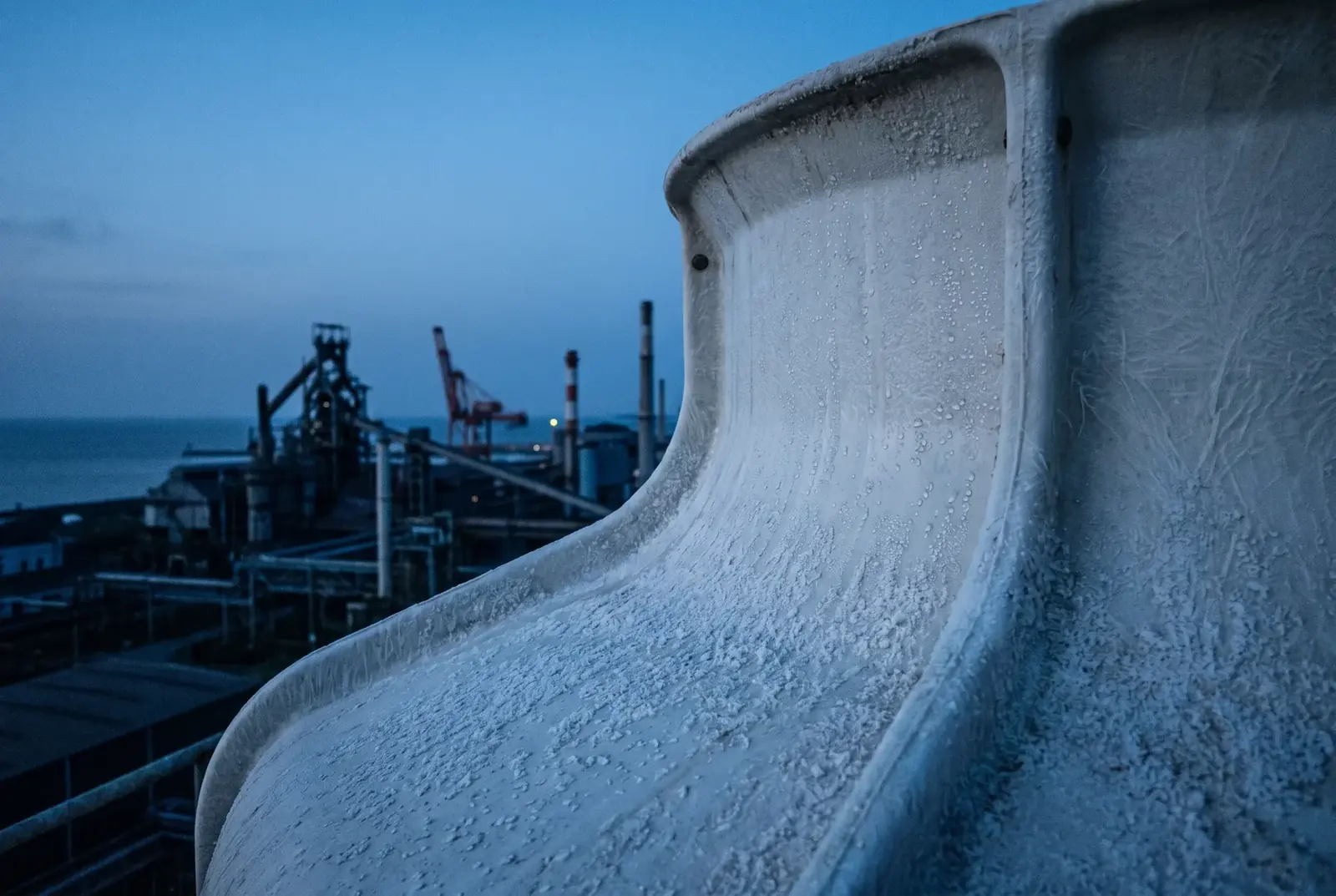
Cooling towers are continuous-duty equipment that operate year-round. Without a structured maintenance program, small issues accumulate into major failures. Industry data shows that 70% of cooling tower unplanned shutdowns are caused by problems that could have been detected and resolved during routine quarterly inspections.
This article provides a complete quarterly inspection checklist covering seven major areas, with specific pass/fail criteria and action thresholds for each item.
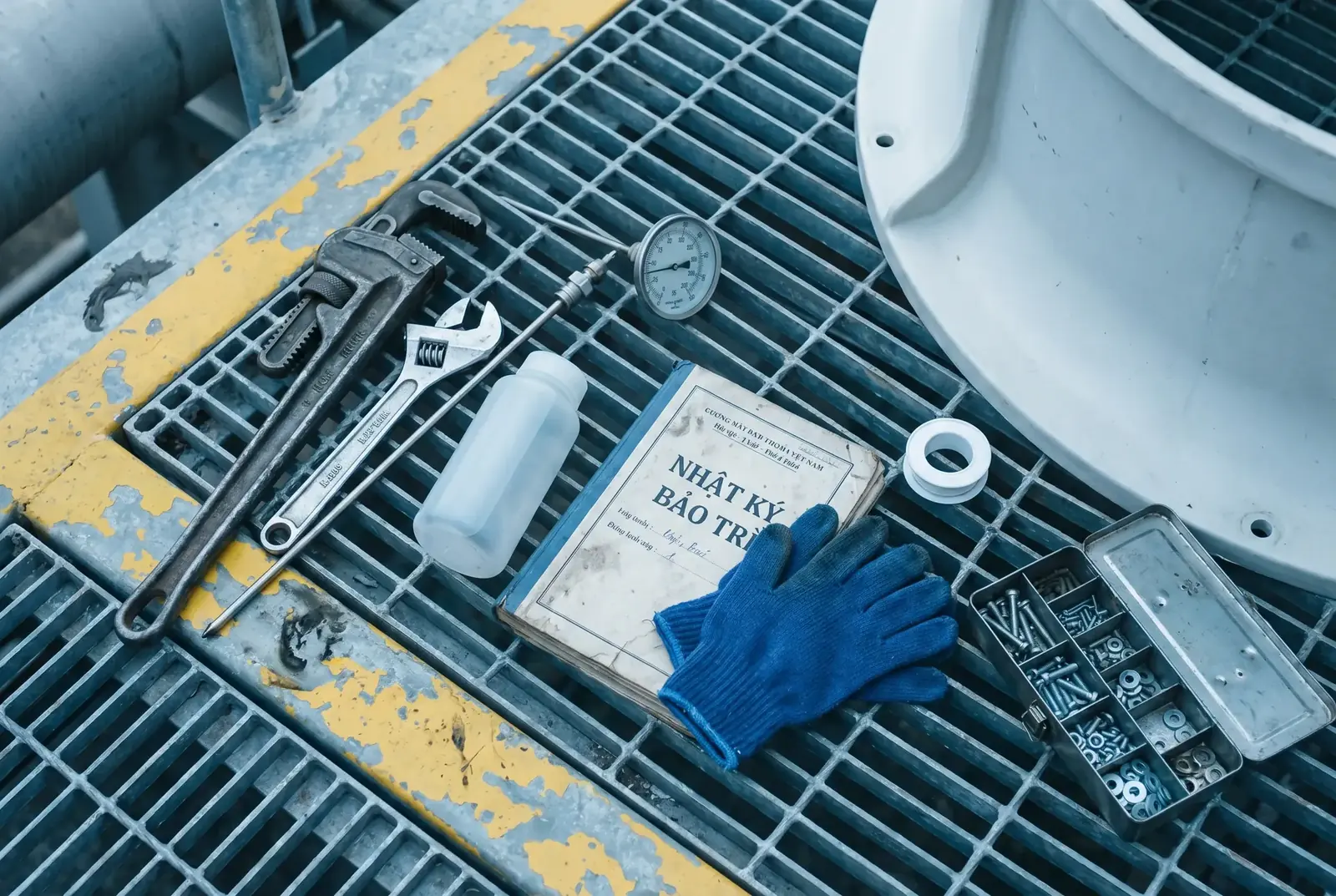
A structured quarterly maintenance program is the most cost-effective way to extend cooling tower service life and prevent unplanned shutdowns.
1. Structural Housing Inspection
1.1 FRP Housing Inspection
For FRP housing (COOLTEK LH/LHR series), inspect the following:
- Surface cracks: Any crack longer than 50 mm or wider than 0.5 mm requires immediate repair with FRP patching compound.
- Impact damage: Dents or holes from external impact. Minor surface damage can be repaired; structural damage requires panel replacement.
- Fastener condition: Check all housing panel fasteners for corrosion or looseness. Replace corroded fasteners with stainless steel equivalents.
- Seal integrity: Check seals at panel joints and penetrations. Deteriorated seals allow air bypass, reducing thermal efficiency.
1.2 Basin Inspection
The cold water basin is the most critical structural component:
- Sediment depth: Measure sediment depth at the basin drain point. If sediment depth exceeds 25 mm, drain and clean the basin.
- Basin cracks or leaks: Inspect all basin surfaces and connection points. Any active leak requires immediate repair.
- Float valve operation: Verify the float valve opens and closes correctly at the design water level. Sticking or leaking float valves waste water and affect system balance.
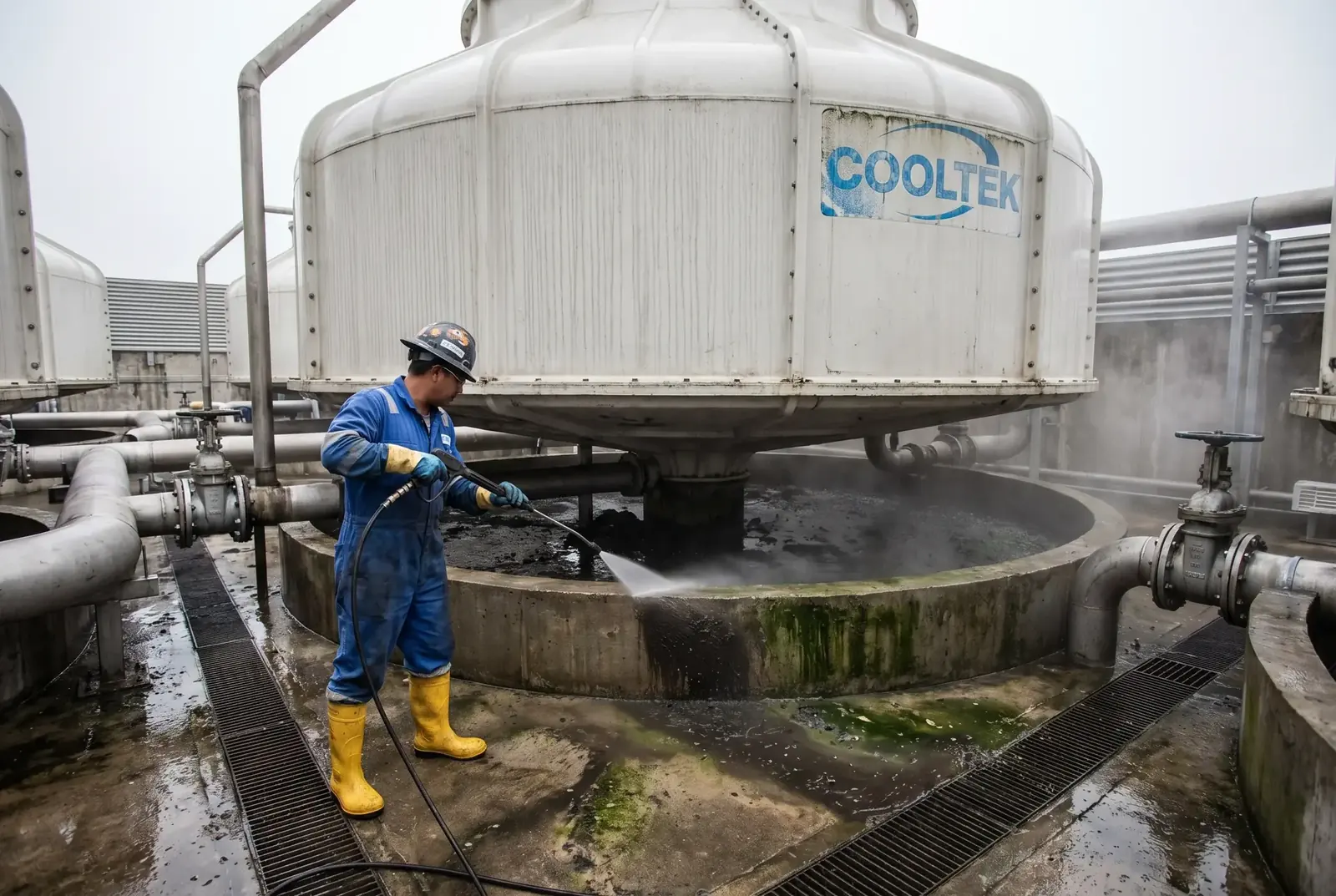
Basin sediment depth exceeding 25 mm is the trigger threshold for basin cleaning. Accumulated sediment promotes Legionella growth and blocks the drain.
2. Fan and Motor Inspection
2.1 Fan Blade Inspection
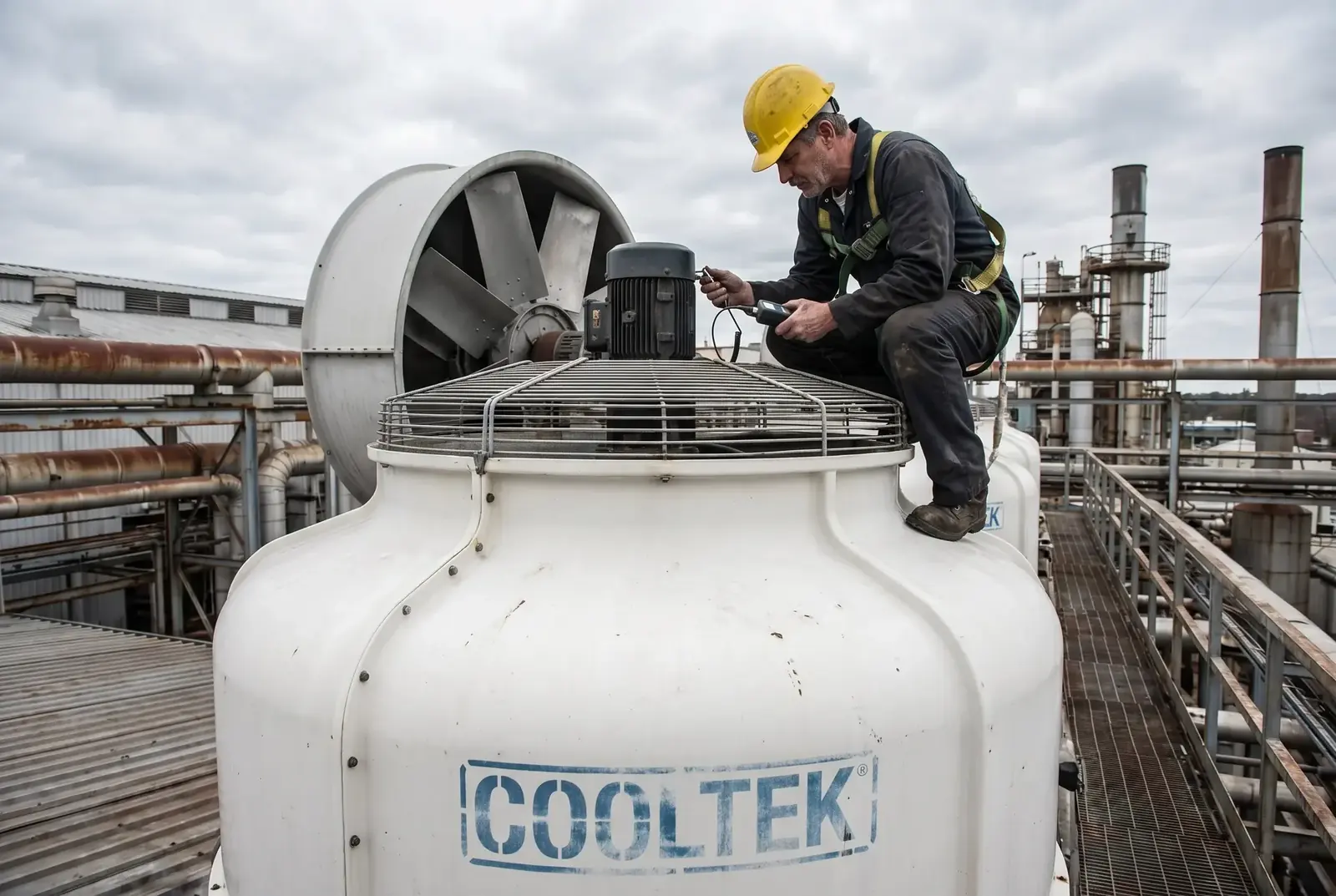
Fan blade pitch angle uniformity directly affects airflow volume and motor load. Pitch angle deviation exceeding ±1° requires adjustment.
| Inspection Item | Pass Criteria | Action Threshold |
|---|---|---|
| Blade pitch angle uniformity | All blades within ±0.5° | Deviation >±1°: adjust immediately |
| Blade tip clearance | 10–15 mm from shroud | <8 mm or >20 mm: adjust |
| Blade surface condition | No cracks, no delamination | Any crack: replace blade |
| Blade balance | Vibration ≤2.8 mm/s | >4.5 mm/s: rebalance or replace |
2.2 Motor and Drive Inspection
- Operating current: Measure all three phases. Should be within ±5% of nameplate current. Imbalance >10% indicates motor or power supply issues.
- Bearing temperature: Use infrared thermometer. Should be <80°C. >90°C indicates lubrication failure or bearing wear.
- Vibration: Measure at motor bearing housing. Should be ≤2.8 mm/s RMS. >4.5 mm/s requires immediate investigation.
- Lubrication: Add grease to motor bearings according to manufacturer schedule (typically every 2,000 operating hours or quarterly, whichever comes first).
3. Fill Media Inspection
3.1 Fill Condition Assessment
Fill media is the core heat transfer component. Degraded fill reduces cooling efficiency and increases fan power consumption:
- Fouling and scale: Visually inspect fill surface. Light scale can be removed with acid cleaning. Heavy scale (>3 mm thick) that cannot be removed requires fill replacement.
- Biological fouling: Slime or biofilm on fill surface indicates inadequate biocide treatment. Increase biocide dosing and perform shock treatment.
- Physical damage: Collapsed, deformed, or missing fill sections. Damaged fill creates air bypass and reduces effective heat transfer area.
- Fill age: PVC fill service life is typically 8–12 years under normal operating conditions. Fill older than 10 years should be assessed for replacement.
4. Water Quality Monitoring
4.1 Key Water Quality Parameters
| Parameter | Target Range | Action Threshold | Consequence of Exceedance |
|---|---|---|---|
| pH | 7.0–8.5 | <6.5 or >9.0 | Corrosion or scale formation |
| Conductivity (TDS) | <1,500 μS/cm | >2,000 μS/cm | Accelerated scale and corrosion |
| Turbidity | <5 NTU | >10 NTU | Fill fouling, nozzle blockage |
| Legionella | <100 CFU/L | >1,000 CFU/L | Health risk, regulatory violation |
| Free chlorine | 0.5–1.0 mg/L | <0.2 mg/L | Inadequate biocide protection |
5. Nozzle and Water Distribution Inspection
For counterflow towers with nozzle systems, inspect each nozzle for blockage. Blockage rate >20% requires shutdown for nozzle cleaning. For LHR crossflow towers with open gravity basins, inspect basin openings for debris accumulation and clean with high-pressure water while the unit is running.
6. Thermal Performance Verification
6.1 Approach Temperature Measurement
The most direct indicator of cooling tower performance is the approach temperature — the difference between the cold water outlet temperature and the wet-bulb temperature of the ambient air:
- Normal approach: 3–6°C for a well-maintained tower operating at design conditions.
- Degraded performance: Approach >8°C indicates significant performance loss. Investigate fill condition, water distribution, and airflow.
- Measurement method: Measure simultaneously — cold water outlet temperature (thermometer at basin outlet) and wet-bulb temperature (psychrometer at tower air inlet).
7. Safety and Compliance Inspection
- Electrical safety: Check all electrical connections, conduit seals, and grounding. Verify GFCI protection is functional.
- Access and guarding: Confirm all access panels are secured, fan guards are intact, and warning signs are legible.
- Noise level: Measure sound pressure level at 1 m from the tower. Should comply with QCVN 26:2010 limits for the facility's zone classification.
- Maintenance records: Update the maintenance log with all inspection findings, measurements, and actions taken.
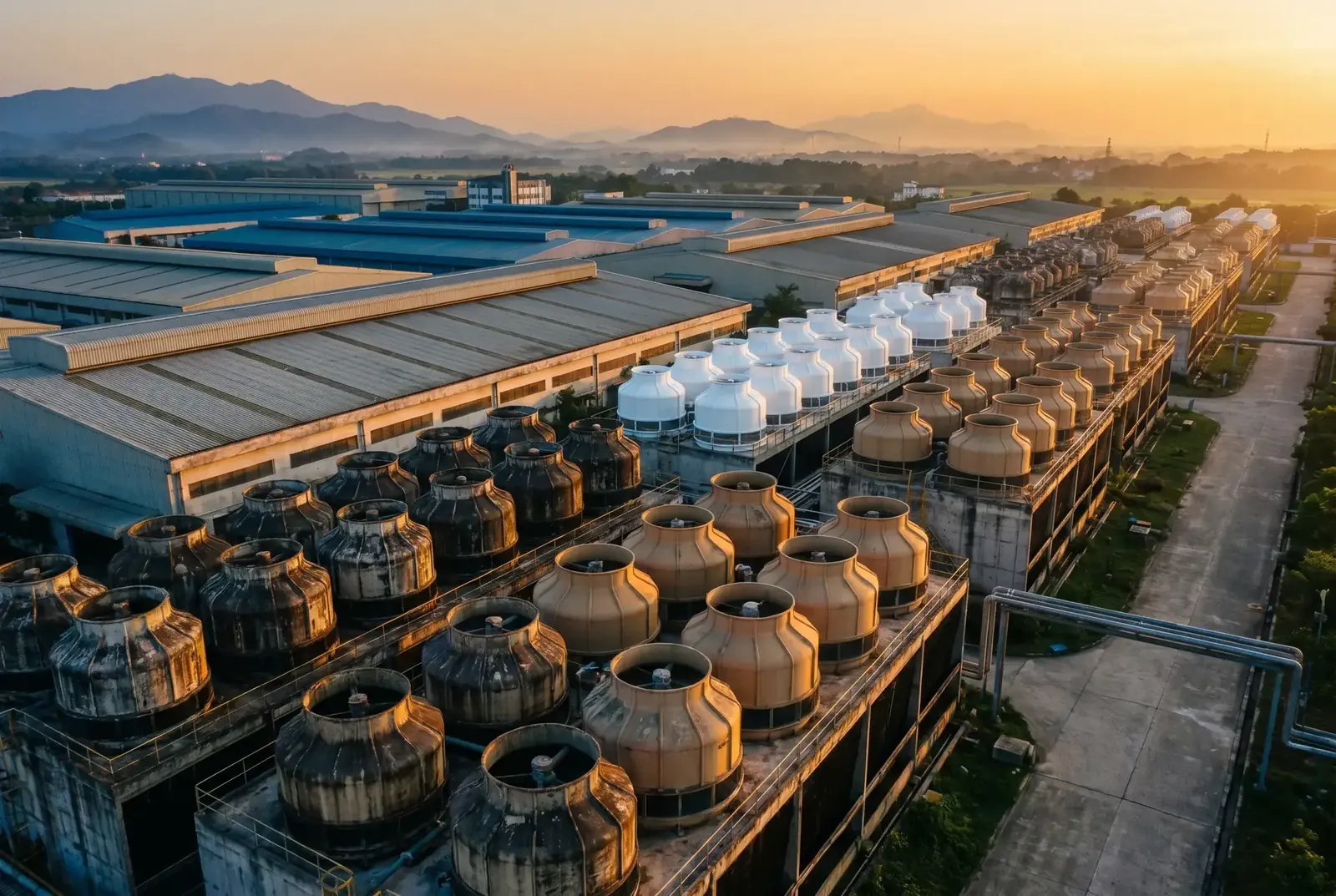
A complete maintenance record is essential for warranty claims, insurance purposes, and regulatory compliance audits.
Reference standards: ASHRAE Guideline 12-2020 Managing the Risk of Legionellosis; CTI ATC-105 cooling tower performance test code; GB/T 50392-2016 Code for Design of Mechanical Draft Cooling Towers; QCVN 26:2010 National Technical Regulation on Noise.